

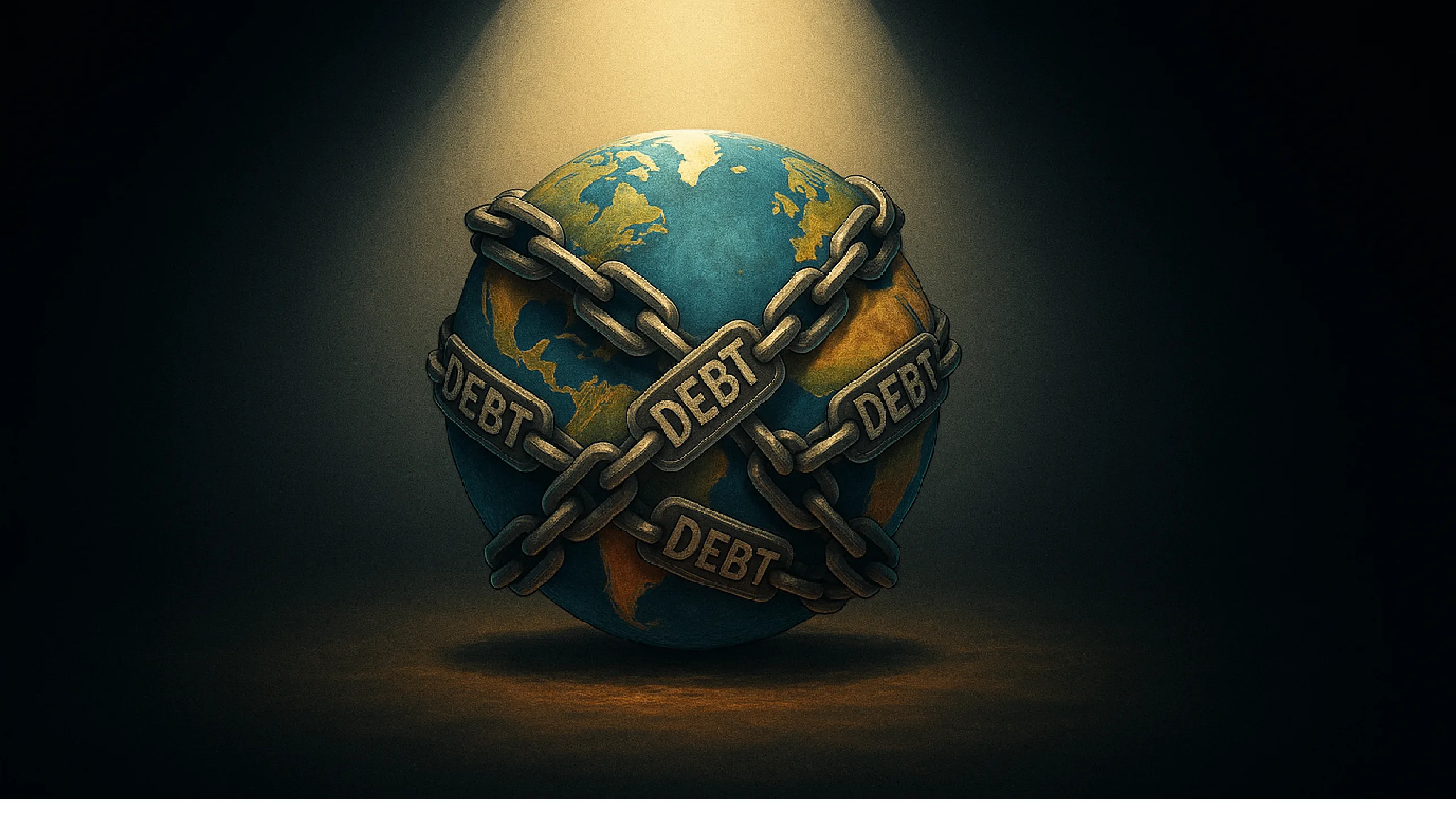
Global Debt Crisis Looms Large: IMF Issues Dire Warning
The global debt crisis is intensifying as the International Monetary Fund (IMF) warns that worldwide public debt could surpass 100% of global GDP by 2029, heightening fears of fiscal instability. In its latest IMF report, the organization urged governments to rein in spending and strengthen fiscal frameworks before markets lose confidence in sovereign debt.
This warning arrives at a critical time when many nations are still managing post-pandemic recovery, climate financing, and growing social welfare demands. Economists caution that unchecked borrowing could set the stage for the next major global economic shock.


Mounting Concerns Across Major Economies
According to the IMF’s Fiscal Monitor, public debt has risen by 9% globally since 2020. Advanced economies like the United States, Japan, and members of the European Union are leading the surge, driven by stimulus packages and higher interest costs.
“We are entering a period where fiscal resilience is eroding,” the IMF stated, emphasizing that global debt accumulation is outpacing growth and inflation-adjusted revenues.
Emerging markets face a particularly acute crisis. Many are burdened with foreign-denominated debt, exposing them to currency fluctuations and rising borrowing costs. This is creating a scenario reminiscent of the 1980s debt crises, though on a far larger scale.
Why the Global Debt Crisis Matters
Unchecked debt expansion can lead to a cascade of challenges:
- Currency devaluation: Excessive borrowing often weakens national currencies.
- Inflationary pressure: Governments resorting to printing money risk runaway inflation.
- Investor flight: Credit downgrades and reduced investor confidence drive up yields.
- Reduced fiscal space: Less room to invest in healthcare, education, and climate initiatives.
Financial institutions have already warned that sustained fiscal indiscipline could push several countries into debt distress, triggering defaults that might ripple through global markets.
IMF’s Recommendations for Fiscal Stability
The IMF is calling on nations to adopt a three-part strategy for sustainable recovery:
- Targeted fiscal consolidation: Gradually reduce deficits without stifling growth.
- Debt transparency: Improve reporting and monitoring to rebuild investor confidence.
- Green investment discipline: Balance environmental commitments with fiscal prudence.
The fund also advocates for global cooperation through the G20 to manage debt restructuring, especially for low-income nations where repayment burdens are unsustainable.
Markets React to Debt Warnings
Global markets have already shown signs of unease. Bond yields in several countries have risen sharply as investors demand higher returns for perceived risks. The UK and U.S. treasuries saw increased volatility following recent statements from central banks hinting at prolonged high interest rates.
Chancellor Rachel Reeves in the UK noted that “fiscal discipline must be restored to safeguard economic credibility.” Her comments coincided with the IMF’s call for advanced economies to avoid “policy complacency” as borrowing costs normalize.

Could a Global Recession Follow?
While analysts do not foresee an imminent collapse, the risk of a coordinated slowdown is growing. If major economies tighten spending simultaneously, global demand could compare today’s trajectory to the early 2010s European debt crisis, where sovereign defaults and austerity measures slowed recovery across the continent. Without proactive reform, history could repeat itself on a global scale.
The Road Ahead
The global debt crisis underscores a difficult balancing act — stimulating growth while maintaining fiscal discipline. Nations must navigate inflation, demographic shifts, and technological transformation, all while keeping debt sustainable.
In the long term, success depends on structural reforms, transparency, and international cooperation. The IMF warns that ignoring these risks could usher in a “lost decade” of financial instability.
See our other article – Bank of England Warns: AI Boom May Be Inflating a Tech Bubble
Questions & Answers
Q1: What is causing the current rise in global debt?
A1: Post-pandemic spending, energy subsidies, and higher borrowing costs have all contributed to the surge in public debt.
Q2: Which countries are most at risk?
A2: Emerging markets with heavy foreign debt exposure — such as Argentina, Egypt, and Ghana — face the greatest vulnerability.
Q3: What can governments do to reduce debt?
A3: Adopt gradual deficit reduction, improve tax collection, and limit non-essential expenditures while safeguarding growth investments.
Q4: How will this affect ordinary citizens?
A4: Higher debt can lead to inflation, reduced public services, and potential tax increases if governments fail to stabilize finances.
| Source | Link |
|---|---|
| Reuters — IMF sounds alarm about high global public debt, urges countries build buffers | https://www.reuters.com/world/asia-pacific/imf-sounds-alarm-about-high-global-public-debt-urges-countries-build-buffers-2025-10-15/ |
| Reuters — IMF chief says IMF will keep pushing G20 economies to focus on debt issues | https://www.reuters.com/world/imf-chief-georgieva-says-imf-will-keep-pushing-g20-economies-focus-debt-issues-2025-10-13/ |
| The Times — IMF warns soaring debt levels threaten financial stability | https://www.thetimes.co.uk/article/imf-warns-soaring-debt-levels-threaten-financial-stability-reeves-pkhq69ps5 |
| The Guardian — UK government borrowing costs fall as Reeves hints at tax rises | https://www.theguardian.com/business/live/2025/oct/15/rachel-reeves-uk-beacon-of-stability-growth-imf-budget-tax-spending-stock-markets-business-live-news |