
The BRICS alliance and its global purpose
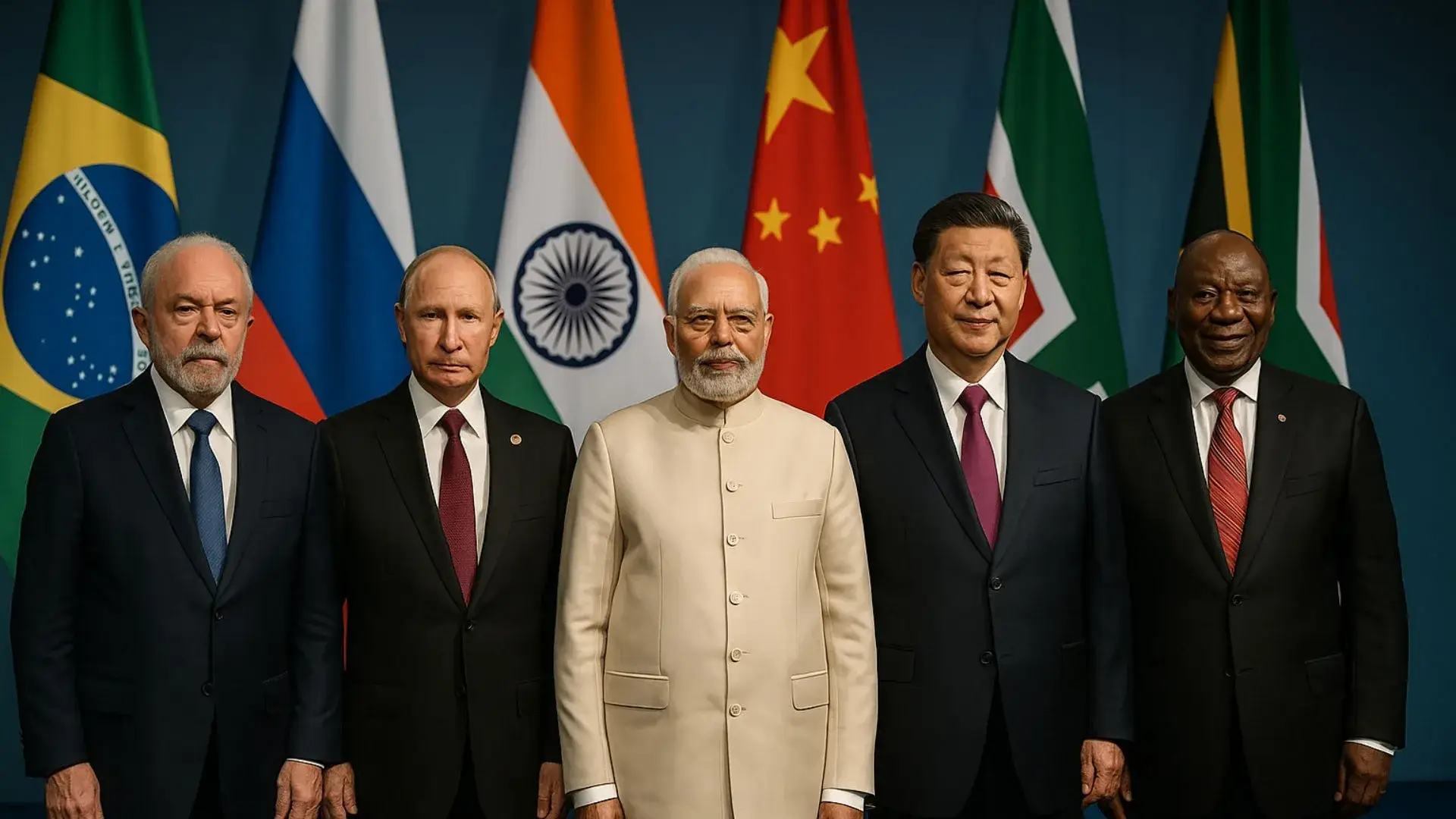
The BRICS alliance is a coalition of major emerging economies—Brazil, Russia, India, China, and South Africa—formed to strengthen cooperation among developing nations and reform global governance structures dominated by Western powers. Its purpose is to promote financial independence, economic growth, and political influence for the Global South while creating fairer alternatives to existing international institutions such as the IMF and World Bank.
As the world shifts toward multipolarity, the BRICS alliance stands at a turning point. In this article, we explore its evolution, objectives, expansion, and future role in reshaping global power dynamics.

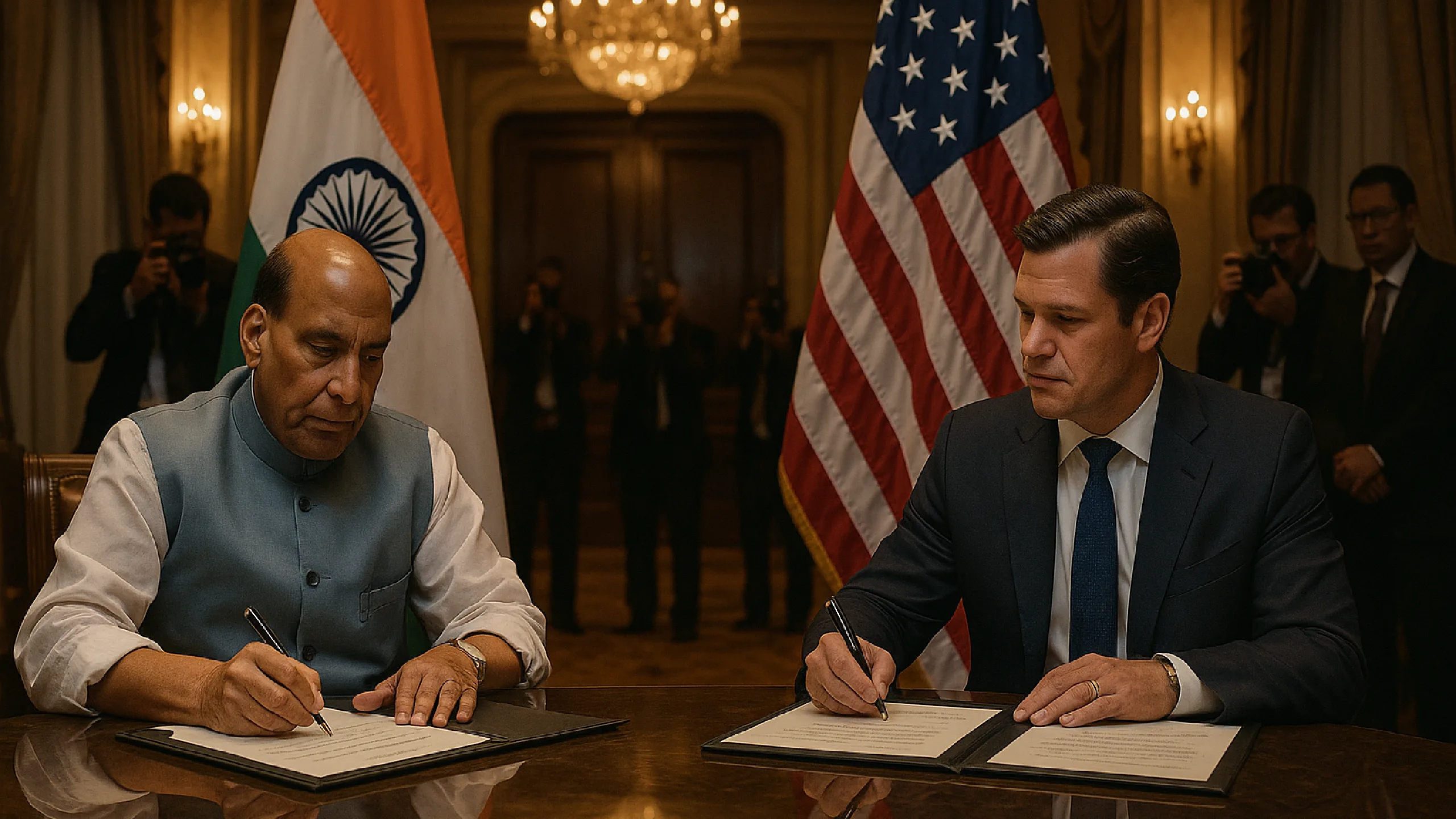
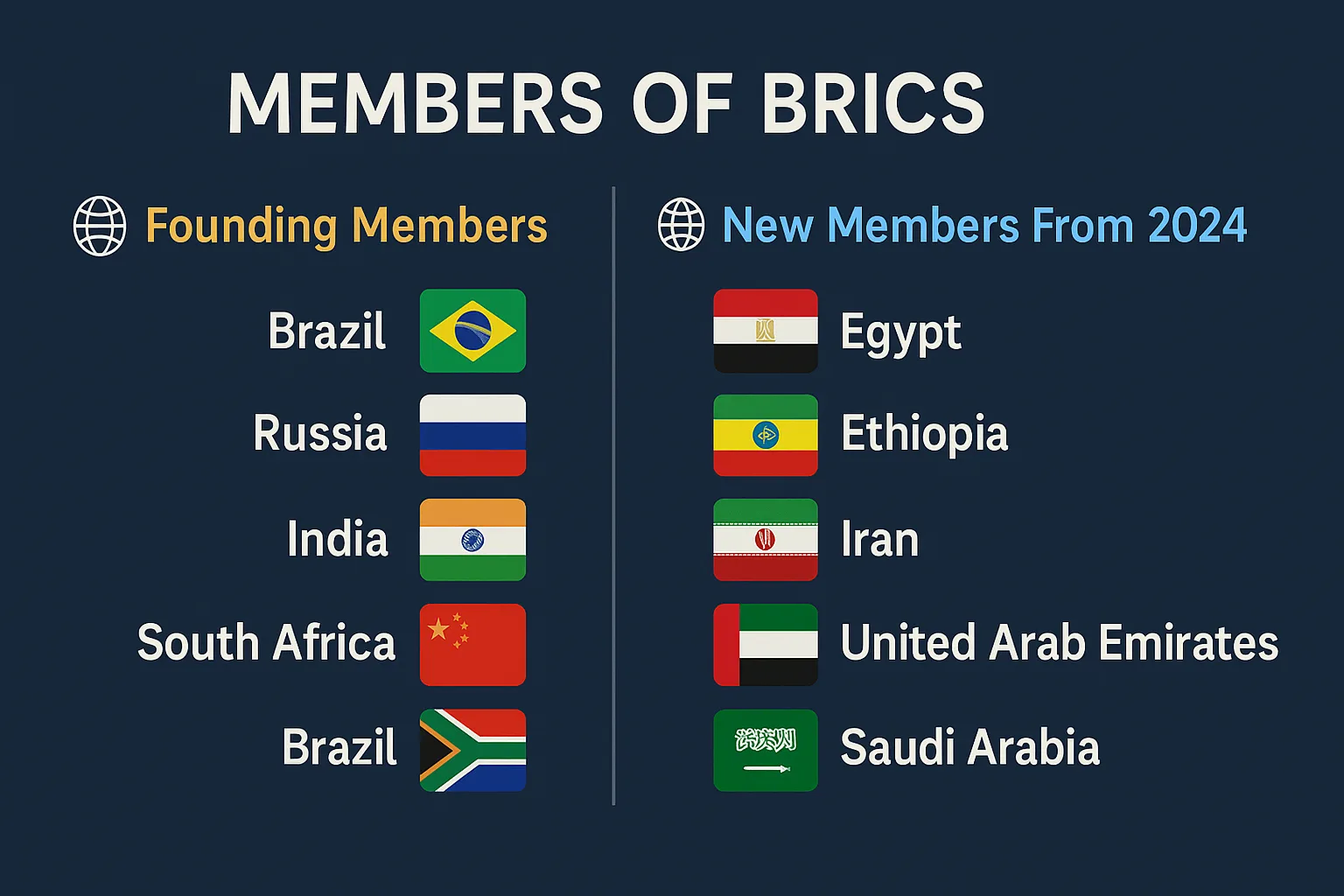
What is the BRICS alliance?
The BRICS alliance originated as “BRIC” in the early 2000s, representing four major emerging economies—Brazil, Russia, India, and China. South Africa joined in 2010, forming the five-member bloc we know today.
Unlike formal organizations such as the G7, the BRICS alliance operates informally—without a founding treaty, permanent secretariat, or fixed headquarters. Its members are bound by shared principles of equality, mutual respect, and sovereignty.
Core purposes of the BRICS alliance
- Reforming international financial institutions to reflect modern economic realities.
- Promoting trade and investment among developing economies.
- Reducing reliance on the U.S. dollar through alternative payment systems.
- Strengthening South-South cooperation in technology, energy, and infrastructure.
- Advocating for a more inclusive global governance system.
The strategic importance of the BRICS alliance
Economic influence and global GDP shift
The BRICS alliance represents one of the most powerful economic blocs in the world. Combined, the member nations account for nearly 40% of global GDP (PPP) and over 40% of the world’s population. The bloc’s rapid growth demonstrates the shifting balance of power from developed to emerging economies.
Creating a parallel financial architecture
The alliance established the New Development Bank (NDB) in 2014 to finance infrastructure and sustainable development projects in emerging markets. It also supports initiatives that allow trade settlement in local currencies—aiming to reduce dependence on the dollar and diversify global financial systems.
Influence on global governance
The BRICS alliance champions reform of major global institutions such as the UN Security Council, IMF, and World Bank. Its goal is to ensure that developing countries have a stronger voice in shaping international rules on trade, finance, and technology governance.
BRICS expansion and its implications
In 2024, the BRICS alliance entered a new phase of growth, expanding to include Egypt, Ethiopia, Iran, and the United Arab Emirates—forming what is now referred to as “BRICS+.”
Implications of expansion
- Wider reach: The bloc now covers a vast geographic area, from Latin America and Africa to the Middle East and Asia.
- Increased economic weight: Collectively, the new ten-member BRICS represents nearly 40% of global GDP by purchasing power.
- Resource diversity: The inclusion of major energy producers like Iran and the UAE strengthens the bloc’s control over global energy flows.
- Political complexity: With greater diversity comes increased difficulty in achieving consensus due to differing national interests and political systems.
The expansion symbolizes a growing desire among developing countries to collaborate outside Western-led frameworks and form their own path toward economic and political empowerment.
Opportunities and challenges facing the BRICS alliance
Opportunities
- Stronger collective bargaining power in global trade and financial systems.
- Expanded development finance, particularly through the New Development Bank.
- Diversification of trade away from Western economies, leading to new investment flows.
- Technological collaboration in fields such as AI, renewable energy, and digital infrastructure.
- Voice of the Global South: The BRICS alliance now acts as a platform for emerging nations to express shared priorities in climate policy, security, and equitable development.
Challenges
- Governance issues: The lack of a formal structure makes coordination and enforcement of commitments difficult.
- Internal divergences: Member countries vary widely in their political systems, strategic goals, and alliances, making unity challenging.
- Currency ambitions: While the idea of a “BRICS currency” has gained attention, practical implementation faces technical and political hurdles.
- Geopolitical tensions: Ongoing rivalries, especially between China and India, can impede progress.
The future outlook for the BRICS alliance
Looking ahead, the BRICS alliance aims to deepen its cooperation across several strategic areas, including sustainable development, artificial intelligence governance, climate change mitigation, and reform of international financial institutions.
The bloc’s future success will depend on whether it can:
- Convert its economic strength into cohesive political influence.
- Develop credible financial alternatives to dollar-based systems.
- Maintain internal unity despite geopolitical rivalries.
- Influence global governance norms, particularly around trade and technology regulation.
If it succeeds, the BRICS alliance could redefine how global power is distributed, creating a multipolar world less dominated by Western economies.
The evolving role of the BRICS alliance
Ultimately, the BRICS alliance represents a significant experiment in international cooperation among emerging economies. Its purpose—to create a fairer, more inclusive, and balanced global order—has taken on renewed urgency in today’s fragmented geopolitical landscape.
The alliance’s expansion and financial innovations signal that the world is moving toward a new era of multipolarity. Yet, for BRICS to fulfil its potential, it must overcome internal differences, strengthen governance mechanisms, and continue to prioritize inclusive growth. As the global balance of power continues to shift, the BRICS alliance remains one of the most closely watched forces shaping the 21st-century world.
Reqad our other article – World War 3 Risk: How Close Are We to Global Conflict?
Questions & Answers
Q1: What does the term “BRICS alliance” mean?
A1: The BRICS alliance refers to a cooperative group of major emerging economies—Brazil, Russia, India, China, and South Africa—working together to strengthen global economic and political influence for developing nations.
Q2: What is the purpose of the BRICS alliance?
A2: Its purpose is to promote financial independence, economic growth, and political influence for the Global South, while reforming international governance to better represent developing countries.
Q3: Which countries are now part of the BRICS alliance?
A3: The current members include Brazil, Russia, India, China, South Africa, Egypt, Ethiopia, Iran, and the United Arab Emirates.
Q4: What challenges does the BRICS alliance face?
A4: Major challenges include governance cohesion, internal political differences, and the difficulty of developing effective financial systems outside Western institutions.
| Source | Link |
|---|---|
| The BRICS Group: Overview and Recent Expansion (UK Parliament) | https://commonslibrary.parliament.uk/research-briefings/cbp-10136/ |
| What Is the BRICS Group and Why Is It Expanding? (Council on Foreign Relations) | https://www.cfr.org/backgrounder/what-brics-group-and-why-it-expanding |
| How BRICS Sees the World (RBC Wealth Management) | https://www.rbcwealthmanagement.com/en-us/insights/how-brics-sees-the-world |
| Expansion of BRICS: A Quest for Greater Global Influence (European Parliament Research Service) | https://www.europarl.europa.eu/RegData/etudes/BRIE/2024/760368/EPRS_BRI%282024%29760368_EN.pdf |
| BRICS Expansion and the Future of World Order (Carnegie Endowment for International Peace) | https://carnegieendowment.org/research/2025/03/brics-expansion-and-the-future-of-world-order-perspectives-from-member-states-partners-and-aspirants?lang=en |