
Risk of World War 3: How Real Is It Today?
The risk of World War 3 is no longer a fringe discussion — it’s a defining question of modern geopolitics. From the Russia-Ukraine war to Middle Eastern unrest and the shifting balance between the U.S. and China, multiple fault lines are now converging.
While a global conflict remains unlikely in the immediate term, experts warn that the conditions for escalation are multiplying — driven by economic rivalry, military posturing, and weakening diplomacy.
This analysis examines the global landscape, assessing how today’s wars, alliances, and rivalries are shaping the likelihood of a world-wide confrontation.


The Global Geopolitical Landscape
We have entered an era that many analysts describe as a “poly-crisis” — where local conflicts, global economics, and technological rivalries overlap.
The major global powers — the U.S., China, Russia, and Western alliances — are re-arming at unprecedented rates, while cyber-attacks, sanctions, and information warfare blur the boundaries between peace and war.
Key Drivers Increasing the Risk
- Declining trust in international institutions such as the UN.
- Arms build-ups and defence spending races across NATO, China, and Russia.
- Proxy conflicts that tie global powers into local wars.
- Climate-driven resource competition.
Together, these trends are shifting the world from deterrence to competition, and from competition to confrontation.
NATO and the Balance of Power
The North Atlantic Treaty Organization (NATO) has emerged as a central pillar of the Western security system. The alliance now spans 32 members, including Sweden and Finland, with growing cooperation in Asia-Pacific.
NATO’s doctrine now explicitly identifies both Russia and China as systemic challenges. Its defence spending goal has risen to 5% of GDP among core members, and the alliance is enhancing cyber and space readiness.
Yet, this expansion has also deepened the East-West divide — prompting counter-alliances and military cooperation between Russia, China, Iran, and North Korea.
The Russia-Ukraine War: Catalyst for Global Realignment
The ongoing Russia-Ukraine war remains the most direct flashpoint influencing the risk of World War 3. What began as a regional invasion has evolved into a full-scale geopolitical confrontation involving the world’s largest military powers.
Economic and Strategic Impacts on Russia
- Sanctions Pressure: Western sanctions have isolated Russia from global finance, freezing hundreds of billions in assets, restricting oil exports, and cutting off key technology imports.
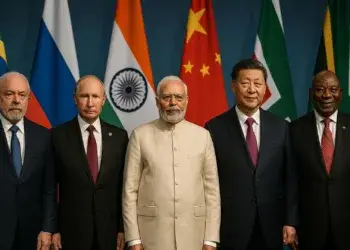
- Economic Realignment: Russia has pivoted trade toward China, India, and Iran — deepening dependence on non-Western markets.
- Military Depletion: After years of warfare, Russia’s conventional forces have suffered heavy attrition, pushing Moscow toward nuclear deterrence and drone partnerships with Iran.
Effects on Russia’s Allies
- China supports Russia economically but stops short of direct military backing, wary of secondary sanctions.
- Iran supplies drones and munitions, benefiting from expanded military cooperation.
- North Korea has reportedly sent ammunition in exchange for food and fuel aid.
These alliances strengthen Russia’s resilience but deepen its isolation from the global economy.
Western Backing for Ukraine
- Military Aid: The U.S., UK, and EU have committed hundreds of billions in aid, transforming Ukraine into one of the most heavily armed nations in Europe.
- NATO Integration: Ukraine is now deeply integrated into NATO’s defence framework, despite not being a formal member.
- Long-term Impact: The conflict has reshaped Europe’s energy policy, revived trans-Atlantic unity, and normalised high defence budgets across the West.
Overall, the Russia-Ukraine war has hardened ideological divides, accelerated a new arms race, and re-legitimised military deterrence — all hallmarks of pre-war conditions.
China’s Rising Tensions and Strategic Ambitions
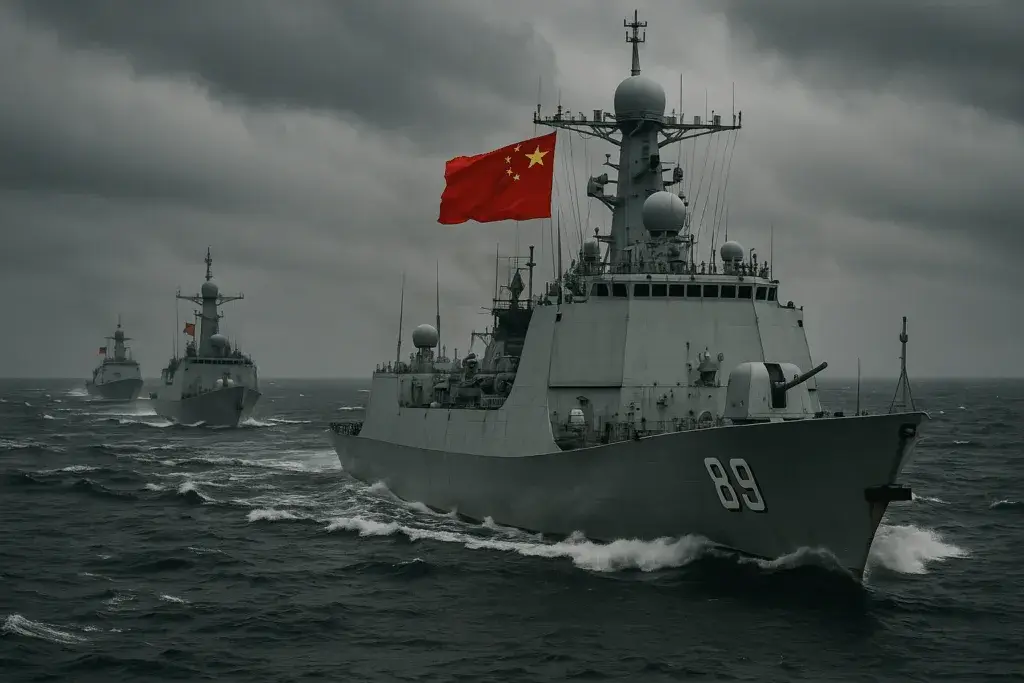
China sits at the core of modern geopolitical competition. Its actions in Asia — and its partnerships with Russia and Iran — have drawn the world’s attention to the Indo-Pacific theatre as the next potential spark for global escalation.
Areas of Growing Tension
- Taiwan Strait: Large-scale Chinese military drills near Taiwan raise fears of invasion or accidental confrontation with U.S. and Japanese forces.
- South China Sea: Militarisation of disputed islands has led to direct confrontations with regional navies and Western patrols.
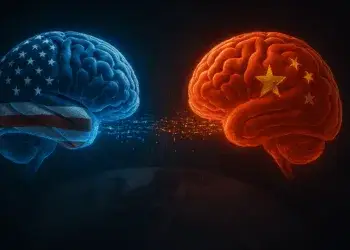
- Technology and Trade War: Economic sanctions, AI restrictions, and semiconductor embargoes have become strategic weapons between the U.S. and China.
- Alliances and Energy Security: Beijing’s partnership with Moscow and Tehran aims to counterbalance Western influence — a multipolar challenge unseen since the Cold War.
China’s growing confidence — paired with nationalist rhetoric — raises the risk that a local maritime clash could trigger a larger confrontation among nuclear powers.
Israel-Palestine Conflict: The Middle East Flashpoint
The renewed Israel-Palestine conflict has once again destabilised the Middle East and pulled global powers into competing roles.
Regional and Global Implications
- Escalating Violence: Cross-border strikes between Israel, Gaza, and Lebanon have intensified, threatening to draw in Iran and its regional proxies.
- Proxy Dynamics: Iran’s support for armed groups like Hezbollah and Hamas turns every escalation into a broader test of influence between Iran, the U.S., and Israel.
- Western Support and Diplomatic Fallout: Western nations largely back Israel, while much of the Global South calls for ceasefire and humanitarian reform, deepening ideological divides.
- Energy Security: Disruptions to Red Sea shipping and oil transit routes have spiked energy prices — a direct global economic consequence.
This conflict reinforces the global fragmentation of alliances, where each warfront — from Ukraine to Gaza — mirrors a deeper geopolitical divide.
Other Conflict Hotspots
Africa
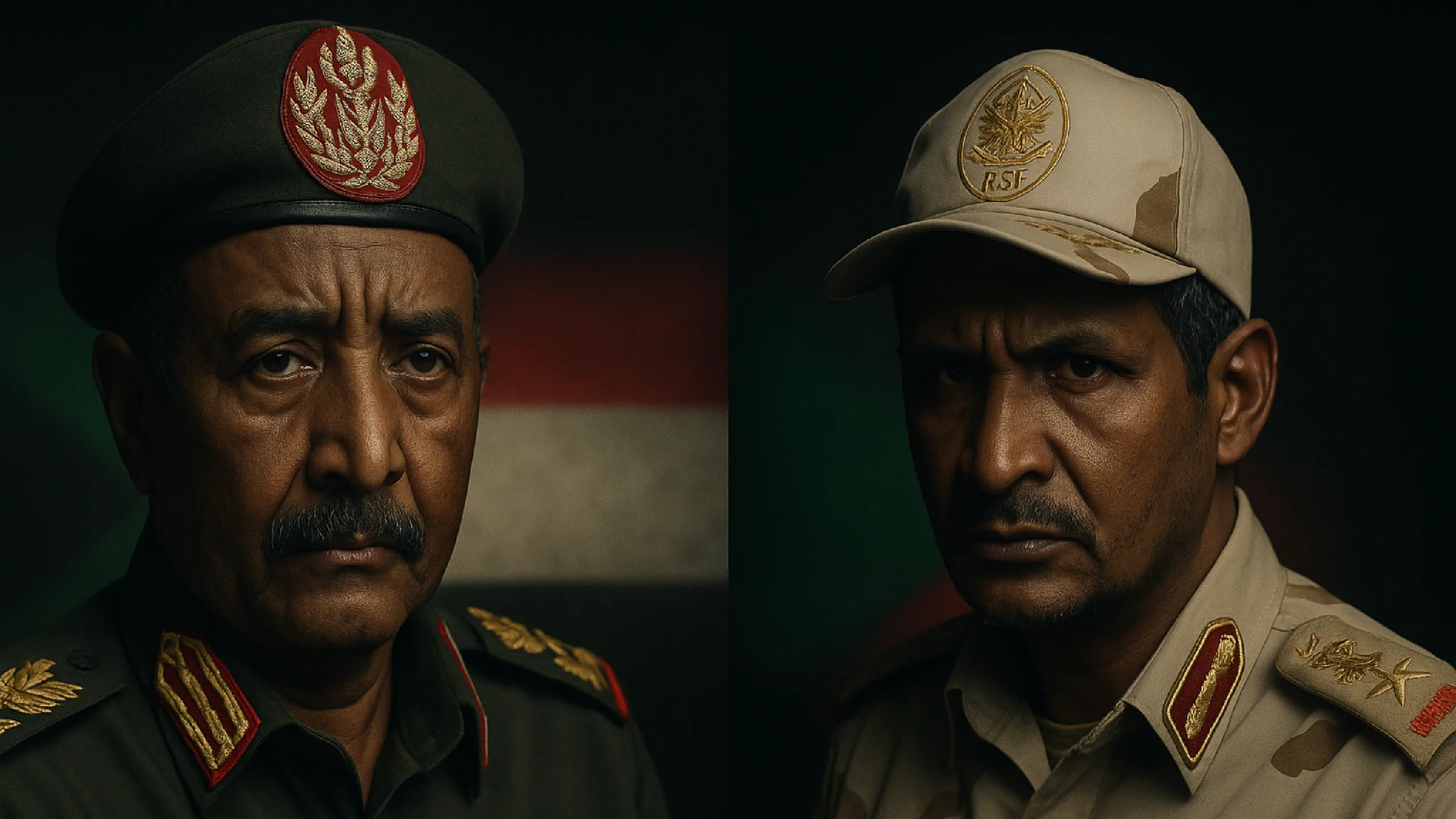
Civil wars in Sudan and the Congo, and growing insurgencies in the Sahel, have drawn private military contractors and global powers seeking access to critical minerals.
Indo-Pacific
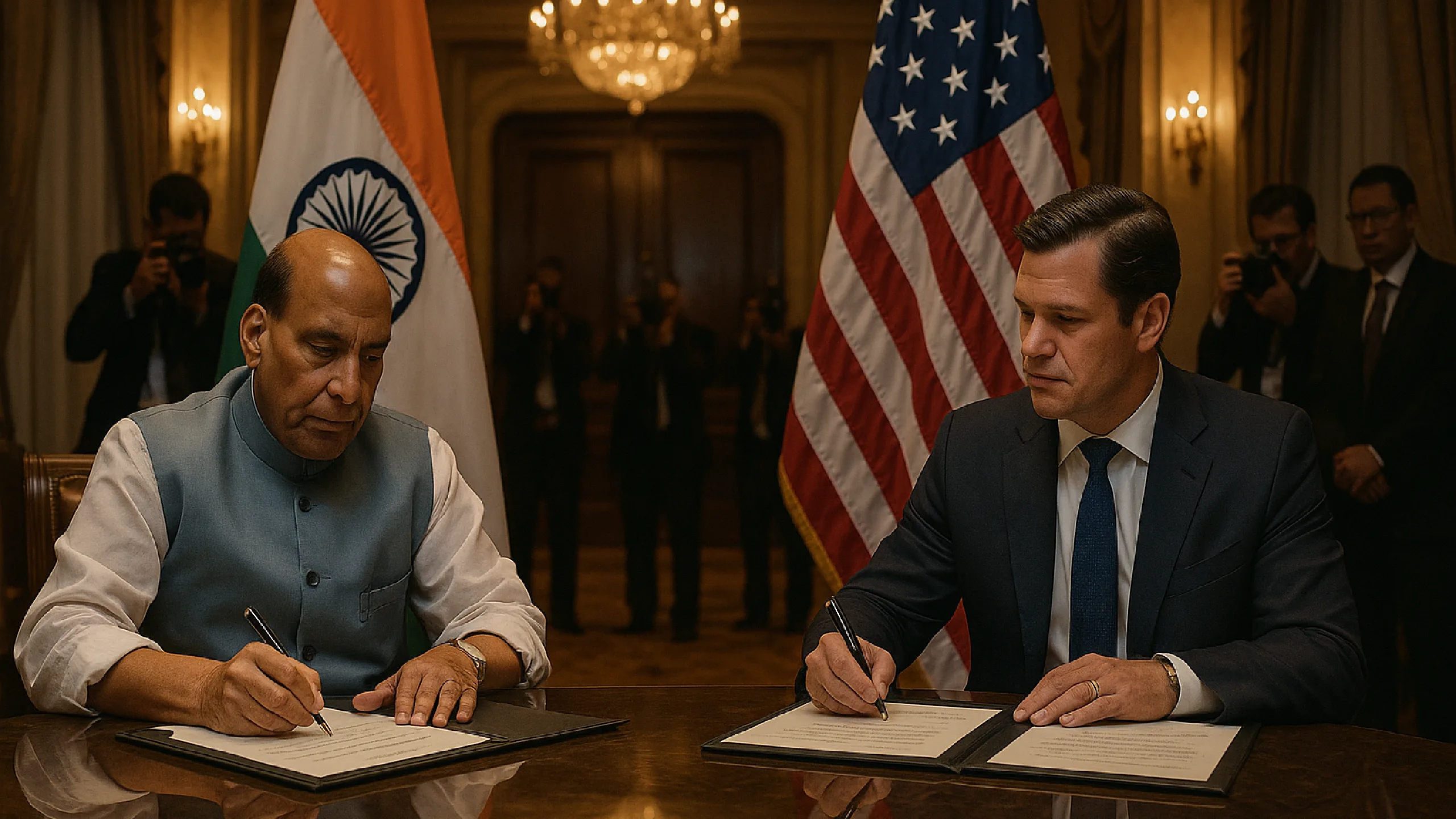
Beyond China, India and Pakistan’s border disputes, and North Korea’s missile testing, add to Asia’s volatility.
Latin America
Economic instability and proxy cyber campaigns have made Latin America a new frontier for hybrid warfare.
Pathways to Global Escalation
Key Escalation Mechanisms
- Alliance Entanglement: Mutual defence clauses could trigger chain reactions.
- Cyber & AI Warfare: Automated retaliation systems reduce human decision-time.
- Economic Weaponisation: Sanctions and trade restrictions now act as acts of war.
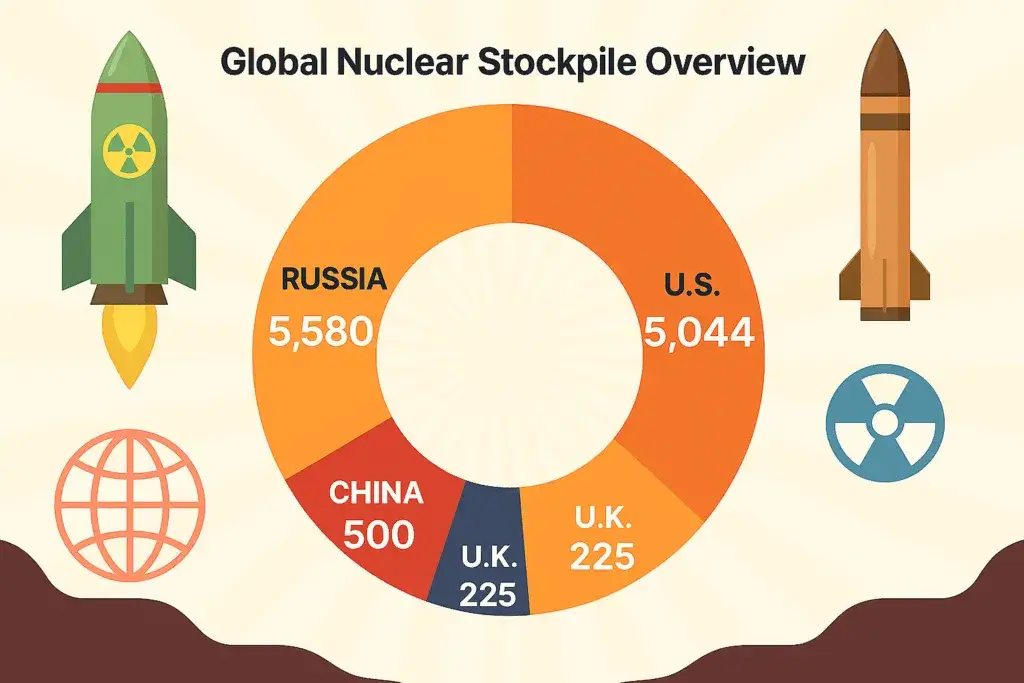
- Space & Nuclear Domains: Satellite targeting and nuclear signalling increase miscalculation risk.
- Public Opinion & Propaganda: Viral misinformation fuels nationalist escalation faster than diplomacy can respond.
Broader Global Drivers of Instability
- Climate Change: Drives mass migration, food scarcity, and new conflict zones.
- Energy Transitions: Struggles over lithium, oil, and gas redefine alliances.
- Declining Diplomacy: The weakening of the UN and regional institutions reduces crisis-management capacity.
The Likelihood of World War 3
While World War 3 is not inevitable, it is plausible under the current constellation of tensions. The world is witnessing overlapping crises — each involving at least one nuclear-armed or major military power.
The Russia-Ukraine war, Israel-Palestine conflict, and China’s assertiveness form a triangle of global instability. If a miscalculation or proxy clash escalates, the domino effect could engage multiple alliances simultaneously.
For now, nuclear deterrence, economic interdependence, and diplomacy act as brakes. Yet, history shows that world wars often begin not with intent — but with misjudgment.
The risk of World War 3, therefore, is not immediate but dangerously real. Managing it will require restraint, open communication, and renewed international coordination unlike anything seen in decades.
Read our other article – Drones, Cyber Wars, and AI: The New Face of Warfare
Questions & Answers
Q1: What is the biggest global flashpoint today?
A1: The Russia-Ukraine war remains the most active military confrontation, but China-Taiwan and Israel-Iran tensions could also ignite global escalation.
Q2: Can the Israel-Palestine conflict trigger World War 3?
A2: Indirectly, yes — if regional actors like Iran, the U.S., and NATO allies become directly engaged.
Q3: How do sanctions affect the World War 3 risk?
A3: Sanctions deepen divisions and drive economic blocs apart, increasing the potential for long-term confrontation.
Q4: Is nuclear war a real threat today?
A4: The risk is low but rising; with multiple nuclear states in conflict zones, miscalculation remains a serious concern.
| Source | Description | Link |
|---|---|---|
| International Crisis Group — “Ten Conflicts to Watch in 2025” | An annual publication identifying the most dangerous conflicts globally and providing context for escalation risk. (Crisis Group) | https://www.crisisgroup.org/global/10-conflicts-watch-2025 |
| Atlantic Council — “Why NATO’s Defence Planning Process Will Transform the Alliance for Decades to Come” | Analysis of how NATO’s upcoming capability and spending reforms reshape major-power competition. (Atlantic Council) | https://www.atlanticcouncil.org/in-depth-research-reports/issue-brief/why-natos-defence-planning-process-will-transform-the-alliance-for-decades-to-come/ |
| NATO — “The Hague Summit Declaration” | Official text of the 2025 NATO summit reaffirming collective defence commitments and spending targets. (NATO) | https://www.nato.int/cps/en/natohq/official_texts_236705.htm |
| Atlantic Council — “NATO Defence Spending Tracker” | Data-driven breakdown of NATO members’ defence spending and how rising budgets relate to global war risk. (Atlantic Council) | https://www.atlanticcouncil.org/commentary/trackers-and-data-visualizations/nato-defense-spending-tracker/ |