
Why the nuclear missile test matters
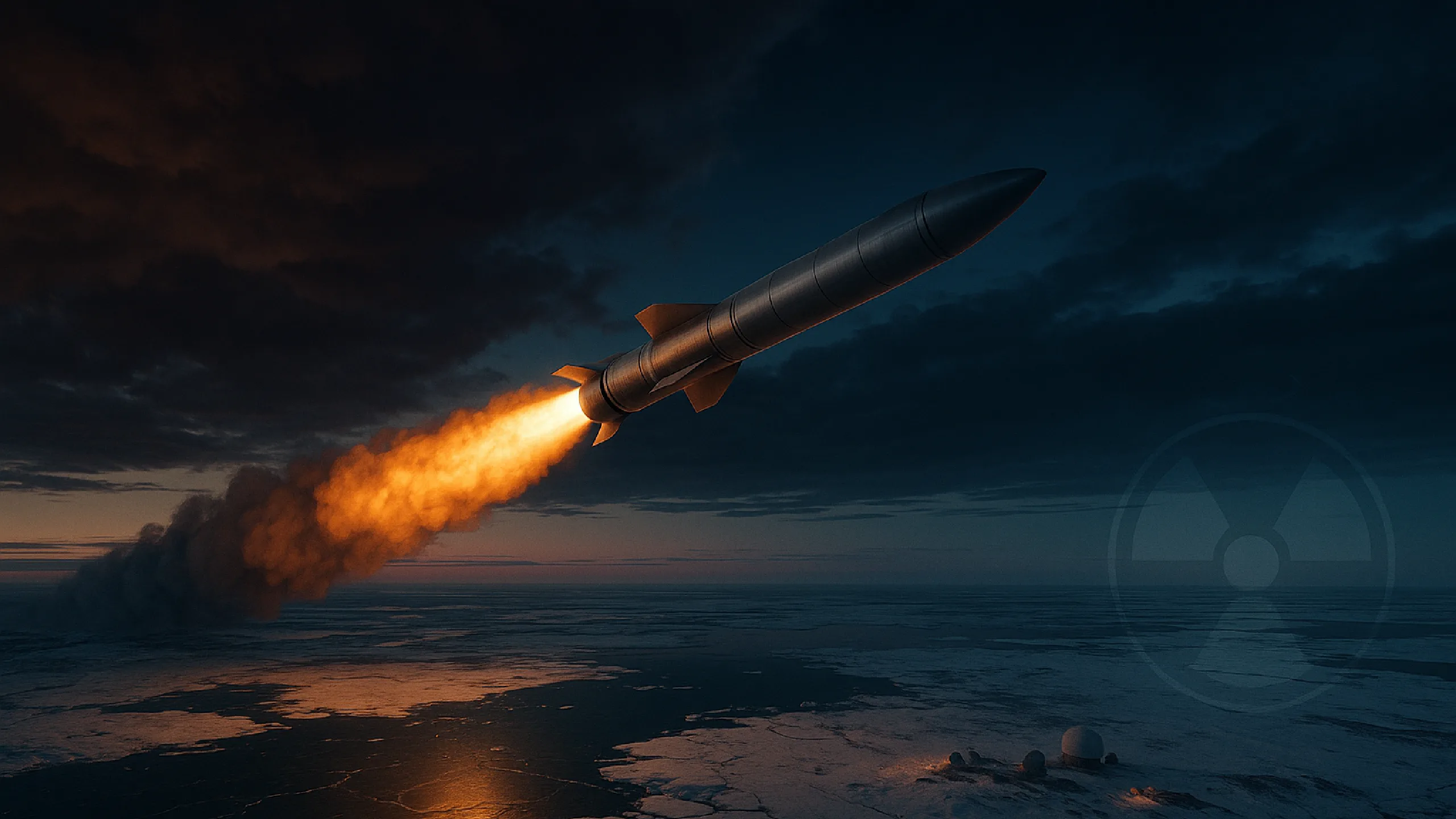
On 26 October 2025, Vladimir Putin announced that Russia had successfully conducted a nuclear missile test, which Moscow says involved a long-range, nuclear-capable cruise missile flown for roughly 14,000 kilometres and 15 hours. The move comes amid the ongoing war in Ukraine and intensifying tensions with the West, raising major questions about strategic stability, arms control and the future of modern warfare.
This article examines the details of the nuclear missile test, how it fits into the Ukraine conflict, the global reaction, and potential next steps in the escalation of nuclear-capable weapons systems.

What happened — the details of the nuclear missile test
The missile and its claimed performance
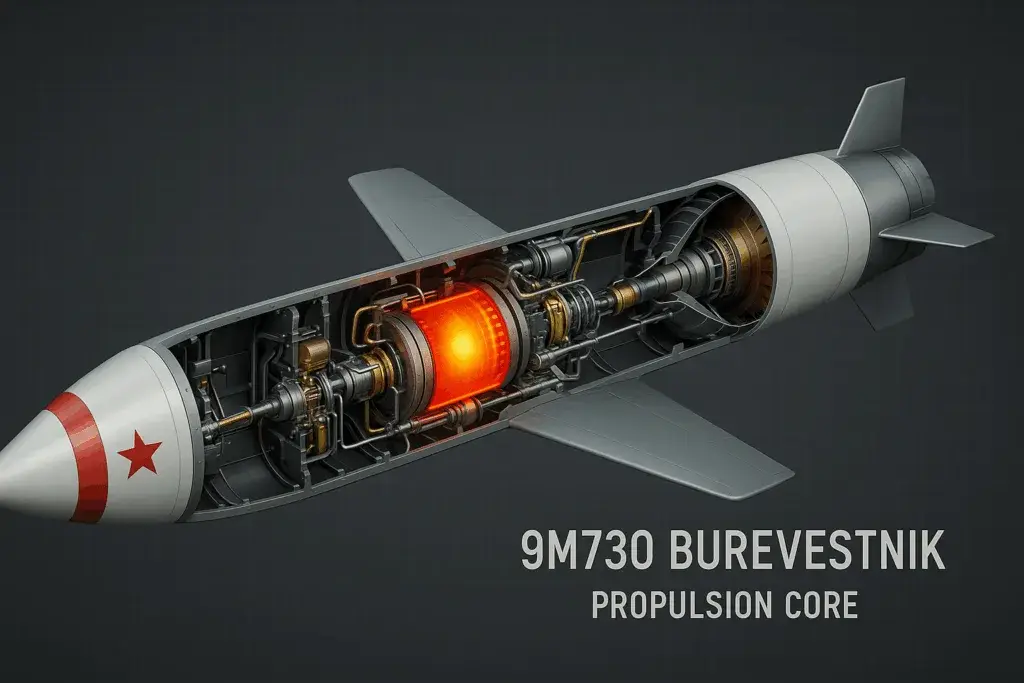
- Russia claims the missile flown was the 9M730 Burevestnik (NATO: SSC-X-9 “Skyfall”), described as nuclear-powered and nuclear-capable.
- According to Russian officials, the flight covered about 14,000 km over 15 hours.
- President Putin called it “a unique weapon, one that no other country in the world possesses.”
- Moscow claims the missile can evade current missile-defence systems and has effectively unlimited range.
Context in the Ukraine war
- The announcement of the nuclear missile test occurred while Russia continues its military operations in Ukraine and faces increased Western military aid to Kyiv.
- The timing signals that Moscow views strategic weapons development as part of its broader war posture and deterrence strategy.
Global reaction and strategic implications of the nuclear missile test
Reactions from the West
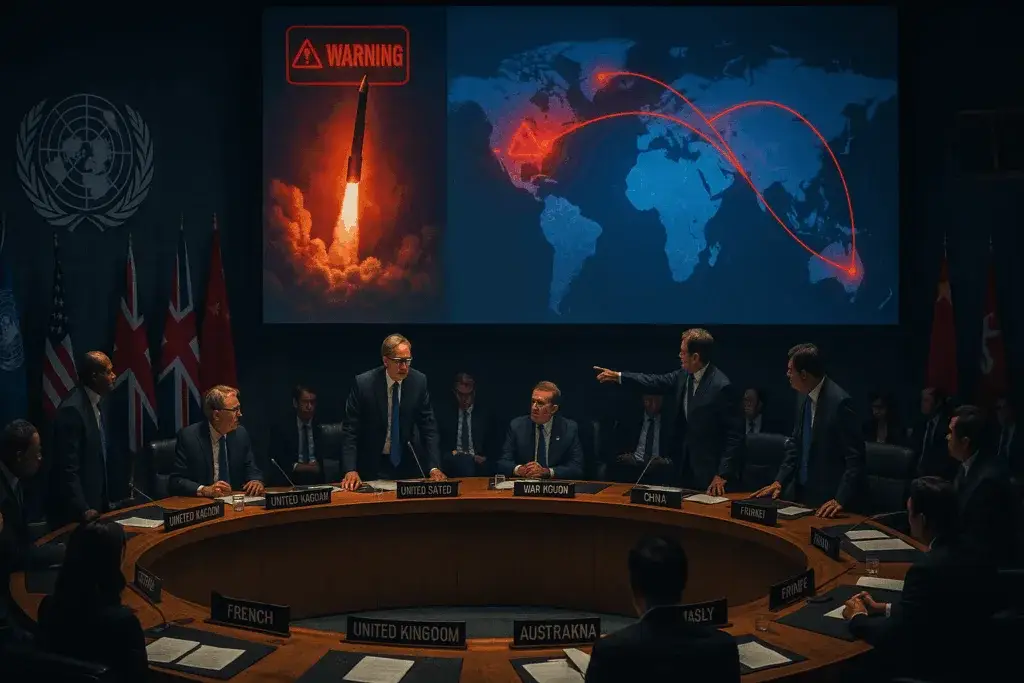
- Western leaders sharply criticised the test, saying Putin should focus on ending the Ukraine war rather than conducting missile demonstrations.
- US officials stated they had their own deterrence capabilities and did not require such long-range missile tests.
Strategic and arms-control ramifications
- The nuclear missile test raises the spectre of a renewed arms race, as weapons with “effectively unlimited range” and unpredictable flight paths shift the global strategic balance.
- Experts note that despite Moscow’s claims, the missile may have major technical, radiological and operational drawbacks. Critics have even labelled the system a “flying Chornobyl” due to radiation-risk concerns.
- For Europe and NATO, the test underscores the importance of missile-defence readiness, early-warning systems, and updated deterrence policies.
- The ongoing Ukraine war is increasingly framed not just as a regional conflict but as a global strategic confrontation involving advanced nuclear-capable technology.
What this means for the Ukraine war and future escalation
War-zone implications
- The nuclear missile test sends a message that Russia is prepared to leverage advanced weapons technology as part of its wider campaign in Ukraine.
- Ukrainian battlefield developments are increasingly linked with strategic-level signalling rather than purely tactical operations.
- The test announcement coincided with Russian claims of intensified operations near key Ukrainian cities, amplifying perceptions of coordinated escalation.
Escalation risks and what to watch
- The greatest danger lies in miscalculation or further demonstrations of nuclear-capable systems that heighten global tension.
- The West may respond with new sanctions, increased military aid to Ukraine, and reinforcement of NATO’s defensive posture — potentially prompting even stronger Russian counter-moves.
- Key questions remain: Will Russia deploy this missile operationally? Will Western nations adjust their nuclear policies? Can arms-control diplomacy be revived or is it effectively over?
- Domestically, the test gives Putin a propaganda boost by showcasing technological prowess, even though its operational reliability remains uncertain.
Key takeaways — in summary
- The nuclear missile test marks a significant escalation in strategic weapons signalling during the Ukraine war.
- While Russia claims the missile can defeat defence systems, experts are sceptical about its full capability.
- The Ukraine conflict is now entwined with nuclear deterrence dynamics, heightening global security risks.
- The coming months will test whether diplomacy or deterrence dominates the international response.
- This is not just another military test — it is a strategic message aimed at reshaping global power equations.
The lasting impact of the nuclear missile test
In conclusion, the Russian-announced nuclear missile test underlines how the war in Ukraine has evolved into a broader contest of strategic weapons signalling and deterrence. While the missile’s technical feasibility is still uncertain, the political and military intent behind the launch is clear: Russia aims to reaffirm its global nuclear stature. As the Ukraine war continues, the fusion of battlefield operations with advanced weapons testing signals a dangerous new phase in global security — one that the international community cannot ignore.
See our artivle – World War 3 Risk: How Close Are We to Global Conflict?
Questions & Answers
Q1: What exactly was the nuclear missile test?
A1: It refers to Russia’s claim that it successfully launched a nuclear-powered, nuclear-capable cruise missile (the 9M730 Burevestnik) that flew about 14,000 km over approximately 15 hours.
Q2: Why is this missile test important for the Ukraine war?
A2: The test amplifies Russia’s strategic signalling amid its war in Ukraine, showing an effort to integrate high-end weapons development into its deterrence posture.
Q3: Does this mean Russia now has a functional “invincible” weapon?
A3: Not necessarily. Analysts remain sceptical of the missile’s reliability, range claims and radiological safety.
Q4: What could NATO do in response to this missile test?
A4: Likely responses include strengthening missile-defence systems, increasing aid to Ukraine, imposing new sanctions, and seeking renewed arms-control frameworks.