Job-pocalypse: Entry-Level Roles Under Threat Amid AI Boom
The New Reality for Early-Career Workers
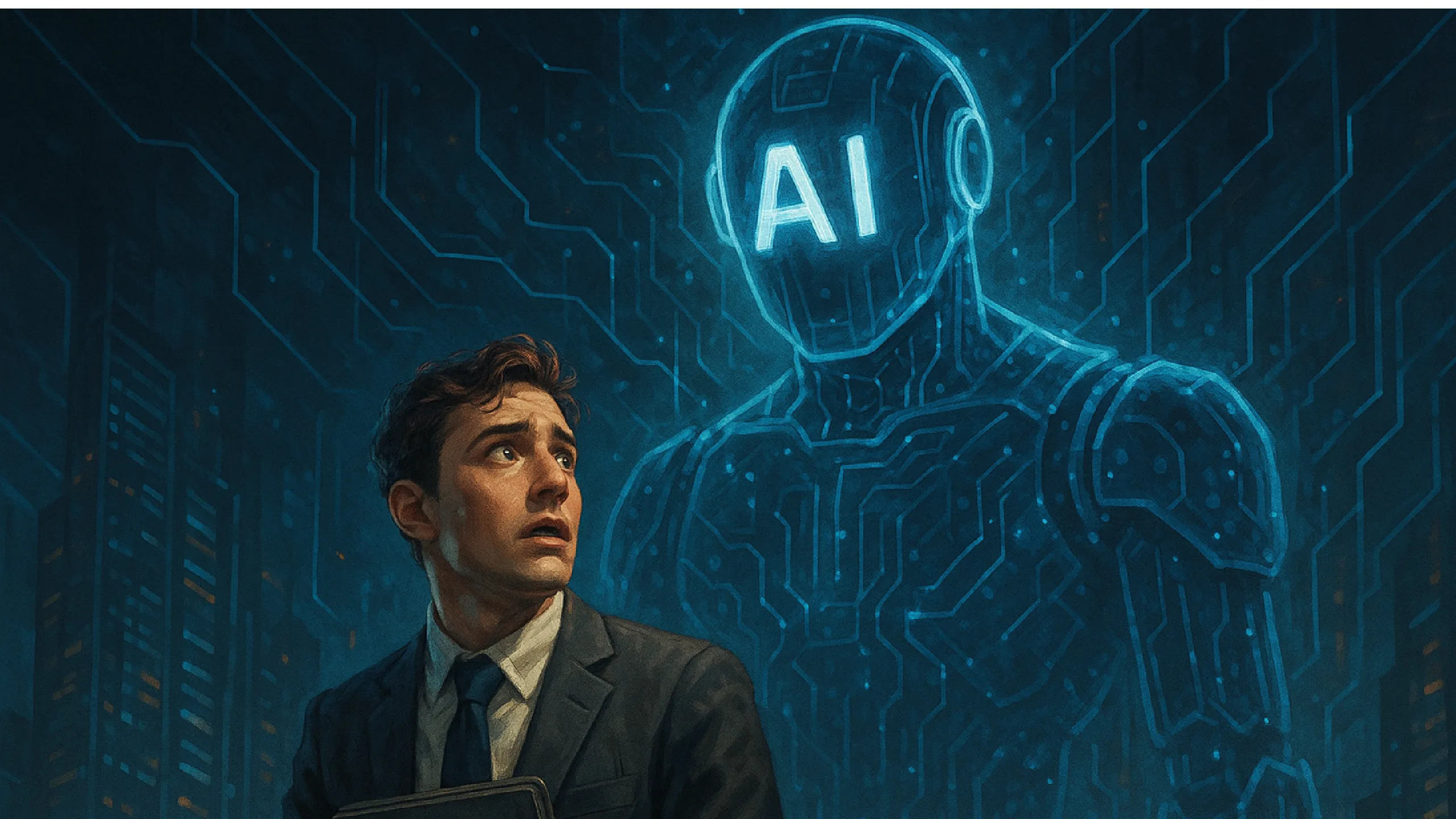
In 2025, many entry-level workers are facing what economists now call a job-pocalypse, as companies worldwide accelerate adoption of artificial intelligence (AI). A major global study has revealed that 41% of firms have reduced headcount to lean more heavily on AI for routine tasks.
This shift marks a critical turning point for the global workforce — one where junior roles and entry-level jobs are being replaced, not restructured. While businesses celebrate productivity gains, the next generation of professionals faces shrinking opportunities to start their careers.
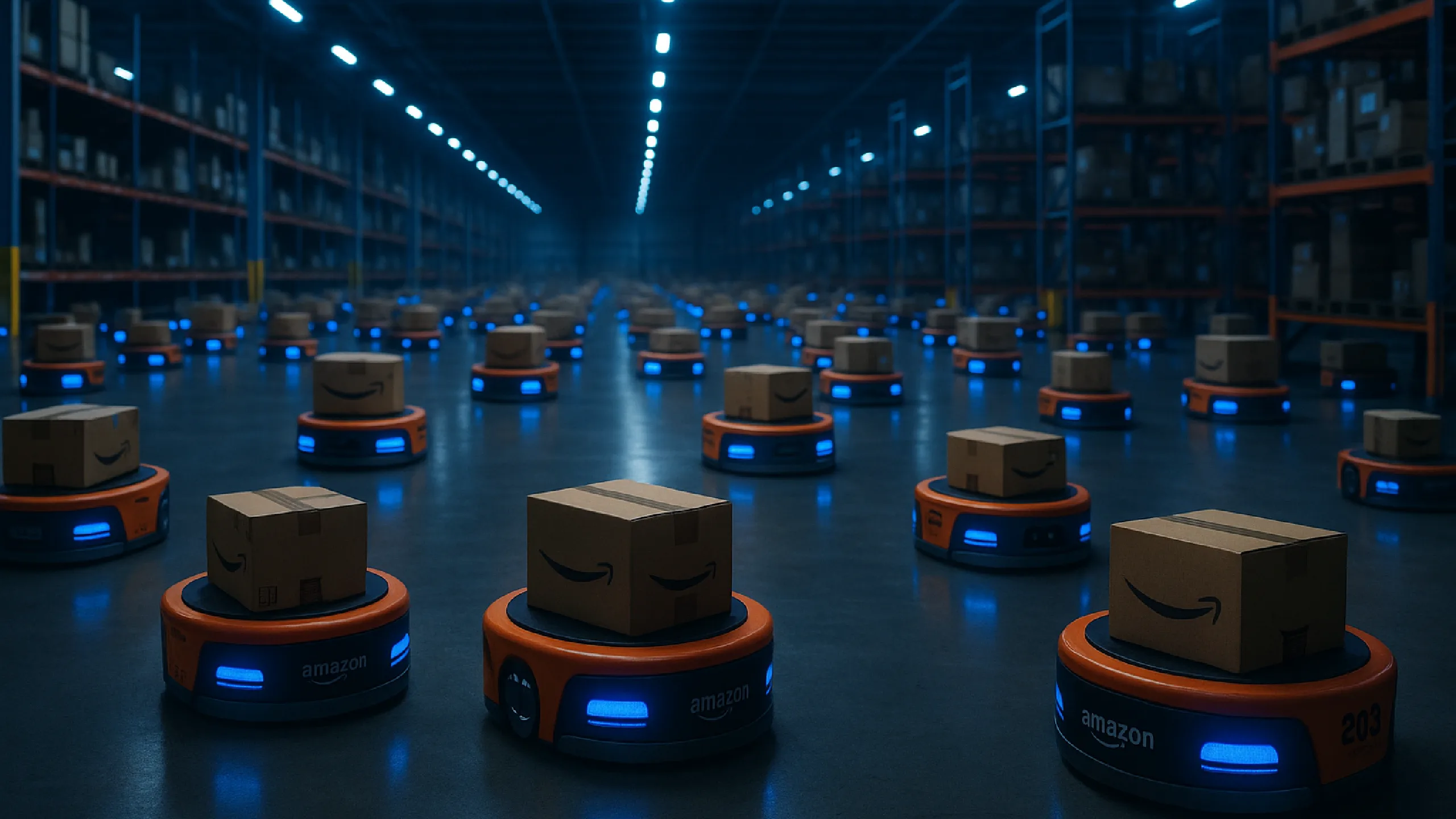

The job-pocalypse is not a distant warning — it’s a present crisis reshaping the workplace today.
Automation Is Already Reshaping Entry-Level Work
A survey of over 800 business leaders across industries showed that nearly half have implemented AI tools to handle work traditionally performed by interns, assistants, or trainees. Another one-third said they now evaluate AI automation before hiring new staff.
Recent research from academic institutions found that employment among 22–25-year-olds in AI-exposed occupations has dropped by roughly 13% in the last three years. Jobs most affected include software testing, customer support, and administrative coordination — the very foundation of most entry-level positions.
The job-pocalypse is emerging fastest in areas that rely on predictable, data-driven workflows, where machine learning systems outperform human speed and accuracy.
Why Entry-Level Jobs Are Most at Risk
1. Routine Tasks Are the Easiest to Automate
Junior employees often perform repetitive work such as scheduling, reporting, or data entry — tasks that AI tools handle efficiently and at low cost. As a result, employers are cutting entry-level positions while retaining mid- and senior-level staff who oversee these systems.
2. Cost Pressures Are Driving AI Integration
Companies under financial strain are replacing junior roles with automation to reduce labour expenses. For many, adopting AI is cheaper and faster than hiring and training new graduates.
3. AI Literacy Gaps Leave Workers Behind
Younger workers without experience in AI tools or digital analytics are more likely to be displaced. While universities are introducing AI courses, the pace of change means graduates are still entering the job market with outdated skill sets.
4. Corporate Culture Favors Short-Term Efficiency
Some organisations view AI purely as a cost-saving tool. By automating lower-level functions, they risk hollowing out their talent pipeline — sacrificing long-term innovation for short-term gains.

Consequences of the Job-pocalypse
Widening Inequality
As entry-level jobs disappear, pathways for young people to gain experience and move up the career ladder are vanishing. This may lead to deeper economic inequality between those who can afford to retrain and those left behind.
Loss of Talent Development
Without junior staff to mentor, many industries could face long-term shortages of skilled workers. Companies risk creating a generation gap — with too few rising professionals to replace retirees.
Stagnation and Wage Pressure
Where entry-level roles remain, competition is intense, driving wages down. Workers may also face unrealistic performance expectations as firms demand hybrid human-AI productivity levels.
Cultural and Knowledge Decay
Junior staff play an important role in keeping company culture fresh and adaptable. Without new perspectives, firms may lose creativity, diversity, and internal innovation.
Adapting to Survive the Job-pocalypse
For Workers
- Reskill and Upskill: Focus on areas AI cannot easily replicate — creativity, strategy, leadership, and ethical decision-making.
- Learn AI Tools: Understanding how to collaborate with AI will become a basic employability skill.
- Develop Hybrid Expertise: Combine human skills like communication with digital fluency in analytics, automation, or data storytelling.
- Target Resilient Industries: Healthcare, education, design, and social services rely heavily on human empathy and judgment, making them safer from automation.
For Employers
- Redesign Entry Roles: Create hybrid positions that blend human oversight with AI support, rather than replacing staff entirely.
- Invest in Internal Training: Support young employees to adapt, reducing long-term turnover and preserving institutional knowledge.
- Balance Efficiency with Humanity: Companies that treat AI as a complement — not a replacement — for workers will foster loyalty and sustainable growth.
For Policymakers
- Fund Reskilling Initiatives: Encourage programs that train workers in AI-related and creative competencies.
- Encourage Ethical AI Use: Promote frameworks that protect early-career opportunities and prevent exploitative automation practices.
- Support Youth Employment: Incentivise businesses to hire and train young workers in emerging technologies.
A Choice Between Replacement and Reinvention
The job-pocalypse represents one of the most profound shifts in modern employment history. Entry-level roles — once a universal rite of passage — are now being redefined or erased by automation.
Yet, the outcome is not predetermined. AI can either replace or reinvent human potential. By prioritising reskilling, human-AI collaboration, and ethical adoption, both individuals and institutions can shape a more balanced future.
Those who adapt quickly will find opportunity in transformation. Those who resist may be left behind as the AI disruption continues to reshape every level of the workforce.
See our article – The Dark Side of AI: Risks We Can’t Ignore
Questions & Answers
Q1: What is the “job-pocalypse”?
The term refers to the large-scale displacement of jobs — particularly entry-level positions — due to accelerated AI adoption in workplaces.
Q2: Why are junior roles the first to go?
Because entry-level tasks are often repetitive and process-driven, making them the easiest for AI systems to automate.
Q3: Which industries are safest from automation?
Roles requiring creativity, human empathy, or complex decision-making — such as healthcare, education, and leadership — remain relatively safe.
Q4: How can workers future-proof their careers?
By developing AI literacy, learning complementary human skills, and seeking positions that require emotional intelligence or strategic insight.