
Introduction: A New Era for Business
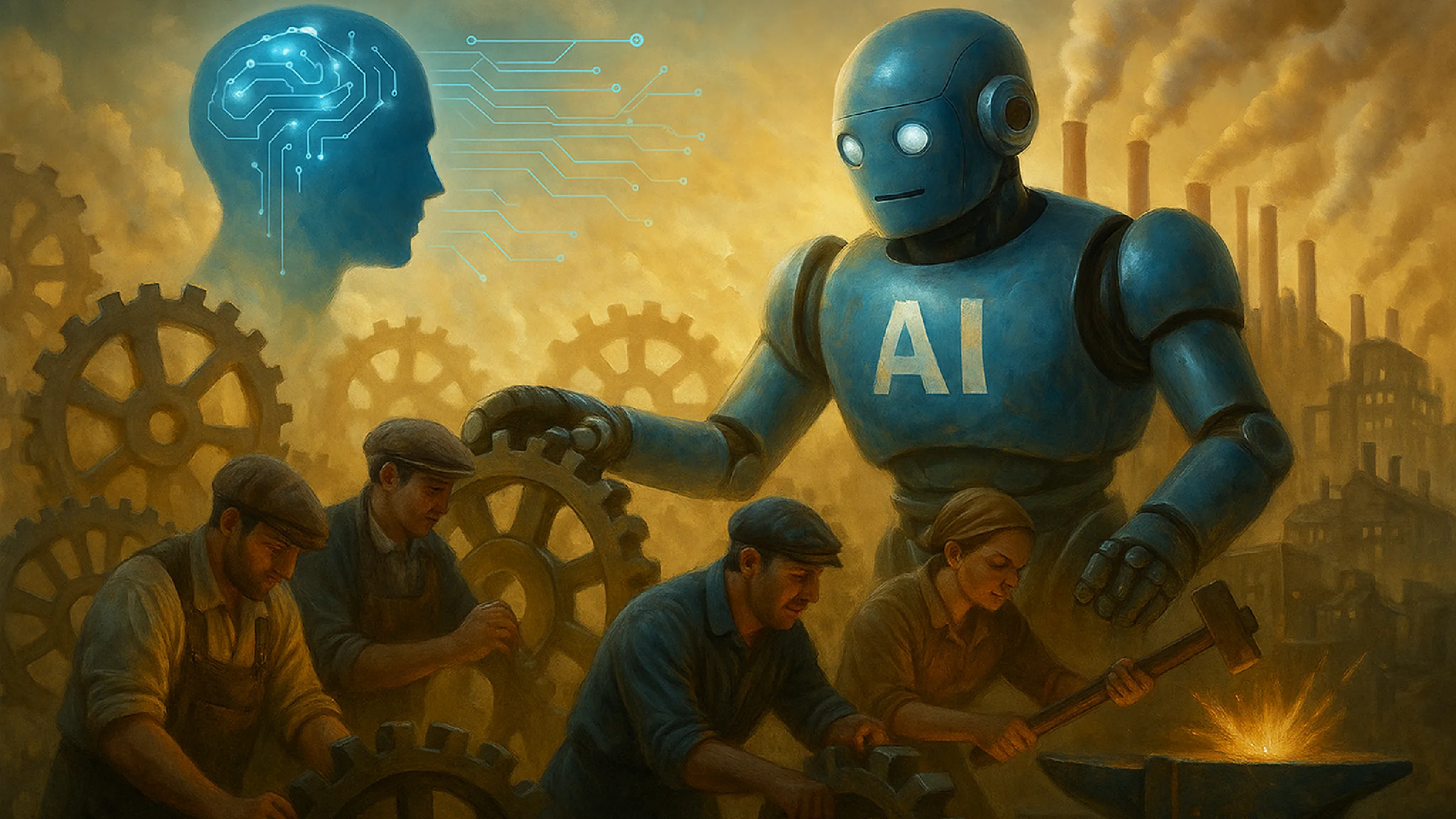
The rise of AI in different industries has become one of the most defining shifts of the modern economy. From predictive algorithms in healthcare to automated trading in finance, artificial intelligence is transforming the way organisations operate. The adoption of AI in different industries is no longer optional; it’s becoming a core driver of innovation, efficiency, and competitive advantage. In the next decade, nearly every sector—manufacturing, retail, logistics, and beyond—will rely heavily on smart technologies. Understanding the impact of AI in different industries provides a clearer view of how economies, jobs, and consumer experiences are being reshaped.
How AI in Different Industries is Driving Change
Artificial intelligence is not a single tool but a collection of technologies—machine learning, natural language processing, robotics, and computer vision—that can be applied across multiple fields. The integration of AI in different industries has several recurring themes: efficiency, cost reduction, accuracy, and innovation.


Key Benefits of AI Integration
- Automation of repetitive tasks: Saves time and reduces human error.
- Data-driven decision making: AI analyses large datasets quickly for strategic insights.
- Improved customer experiences: From chatbots to personalised recommendations.
- Enhanced security and fraud detection: Particularly vital in finance and cybersecurity.
- Scalability: AI allows businesses to grow without linear increases in workforce.
AI in Healthcare
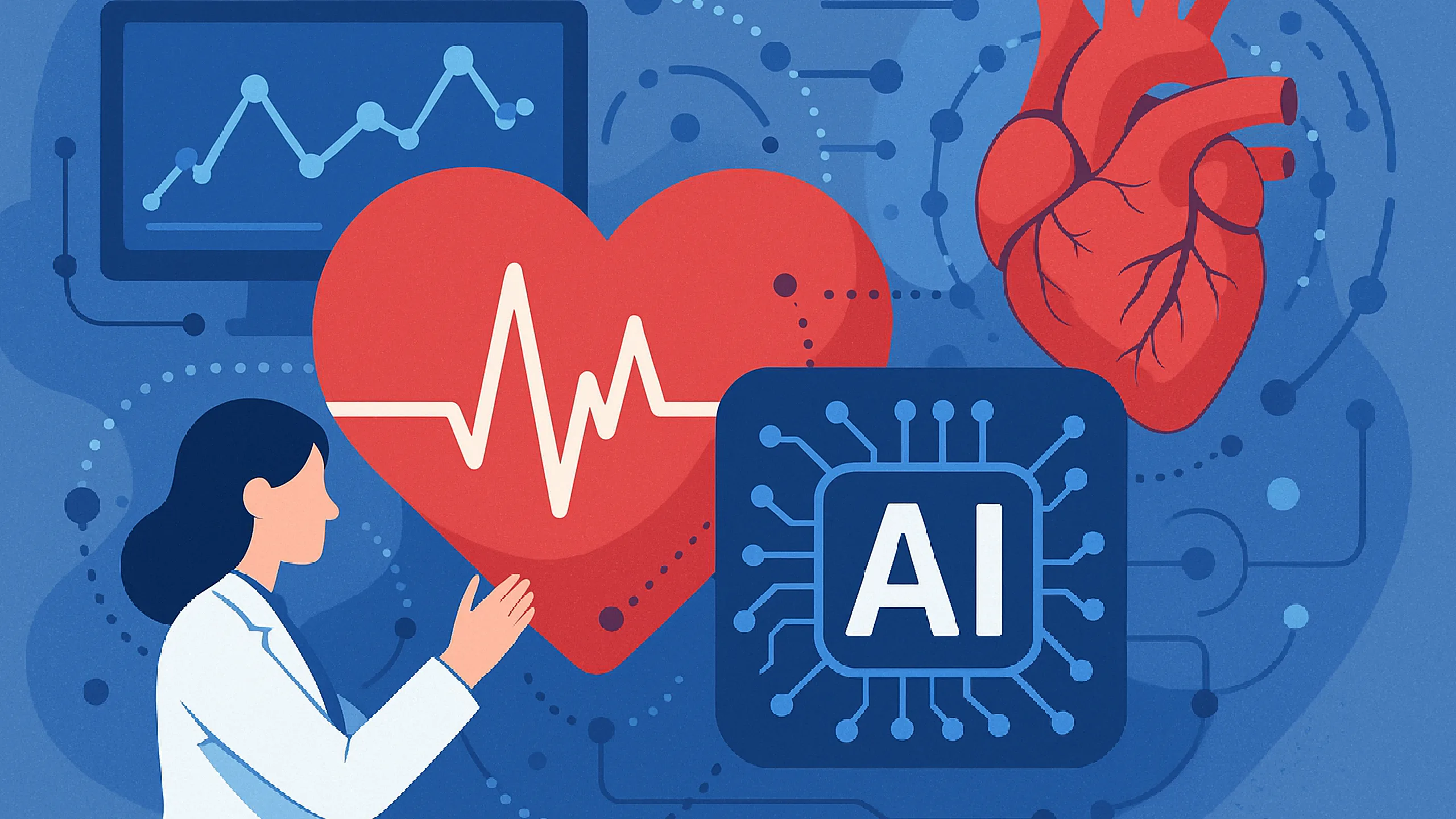
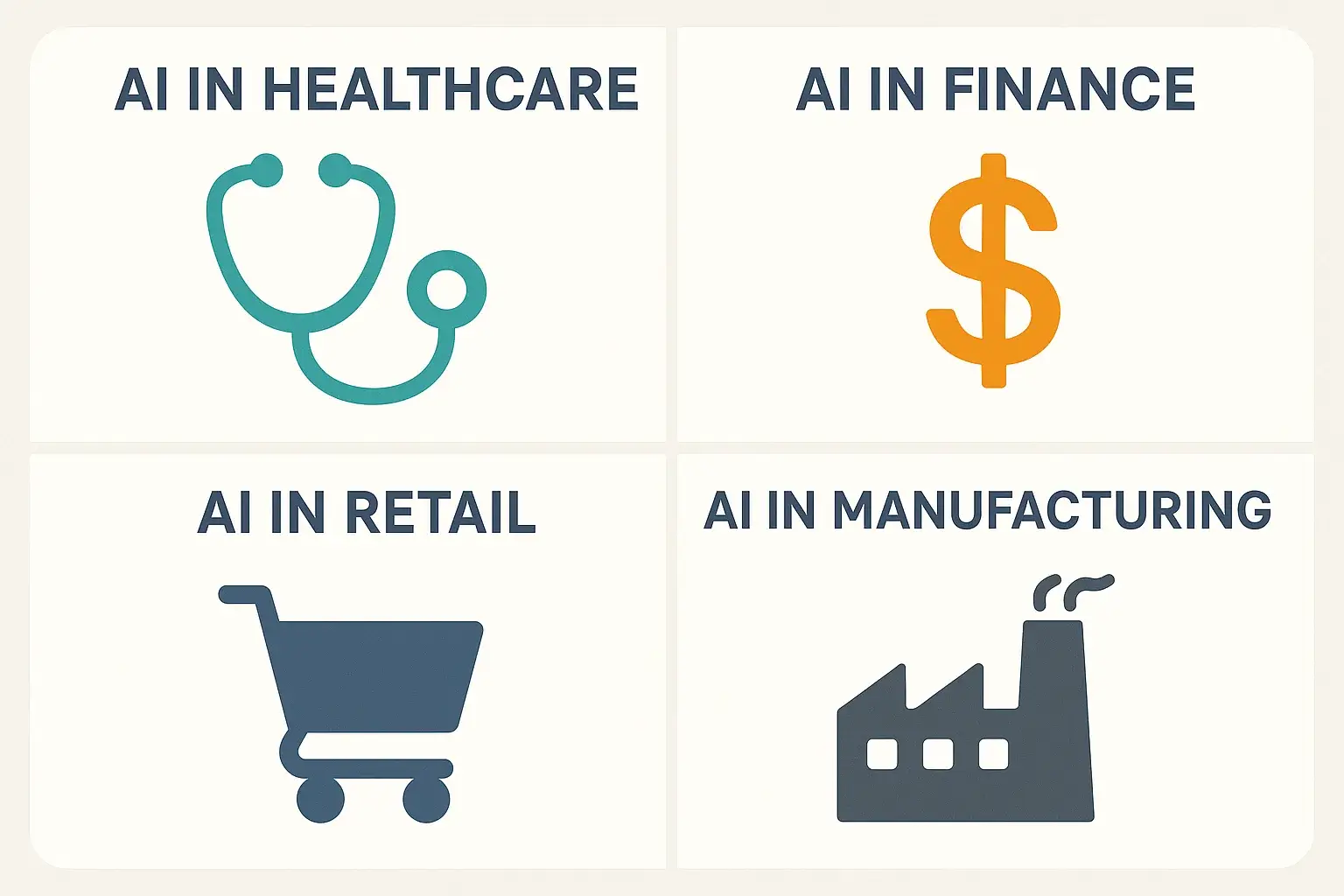
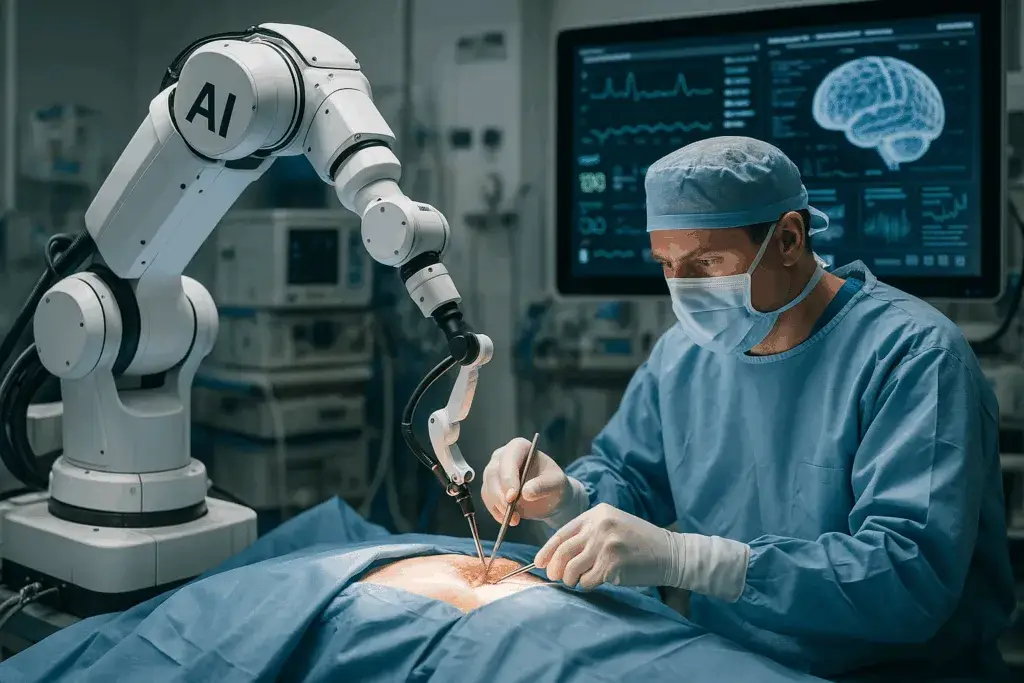
AI in healthcare is one of the most impactful transformations. Machine learning models are being used to detect diseases earlier, while predictive analytics help personalise patient treatments. Radiology scans, pathology reports, and even robotic-assisted surgeries all highlight the role of AI in different industries—especially in saving lives.
AI in Finance
The finance sector has embraced AI in different industries by applying it to fraud detection, risk analysis, and algorithmic trading. Banks and fintech companies use AI chatbots for customer service, while predictive analytics helps forecast market movements and manage portfolios.

AI in Retail
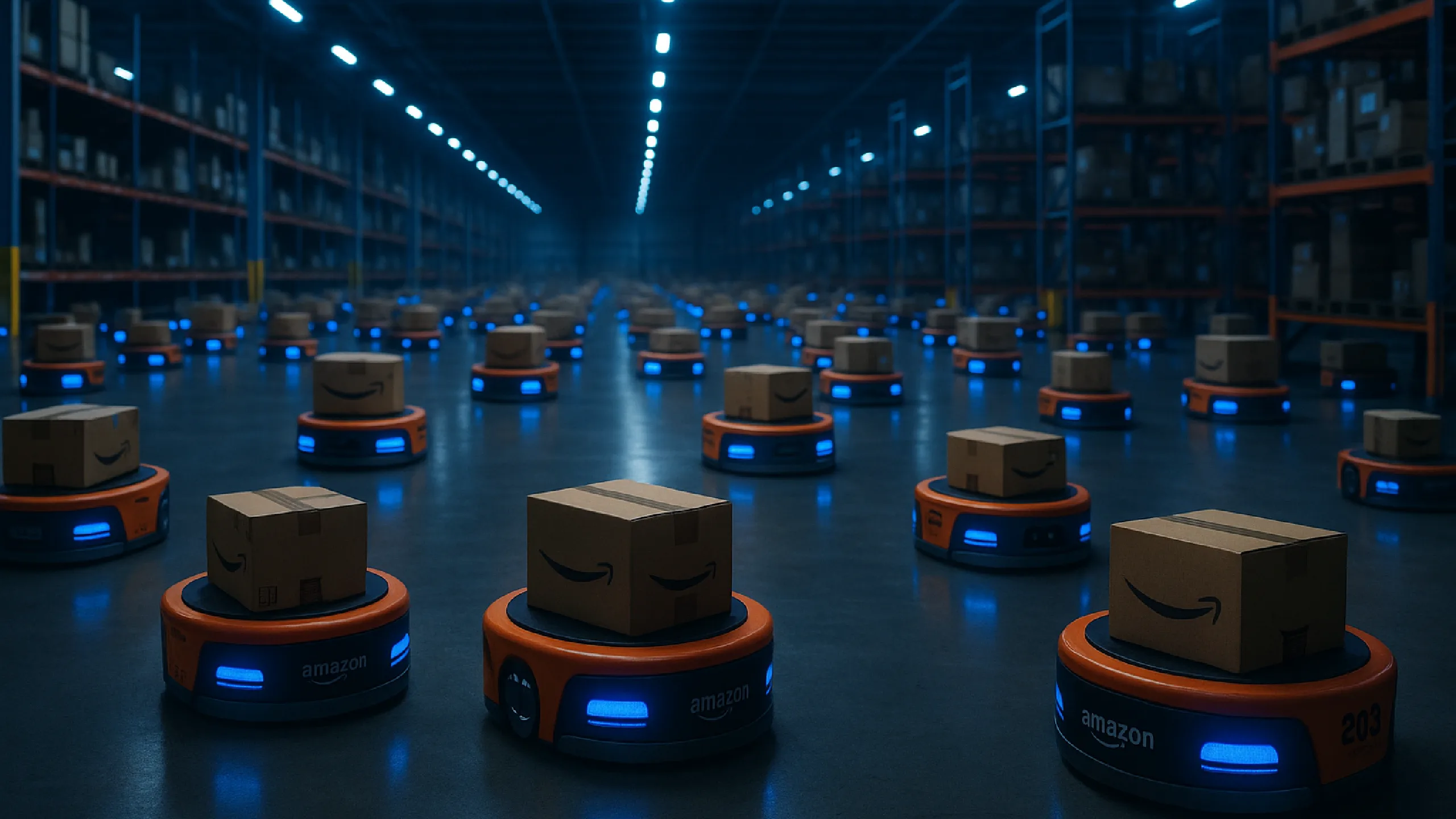
Retail is experiencing a revolution through AI in different industries. E-commerce platforms use recommendation engines powered by AI to personalise shopping. Supply chains rely on predictive demand forecasting, while physical stores deploy AI-driven checkout systems, reducing queues and improving customer satisfaction.

AI in Manufacturing
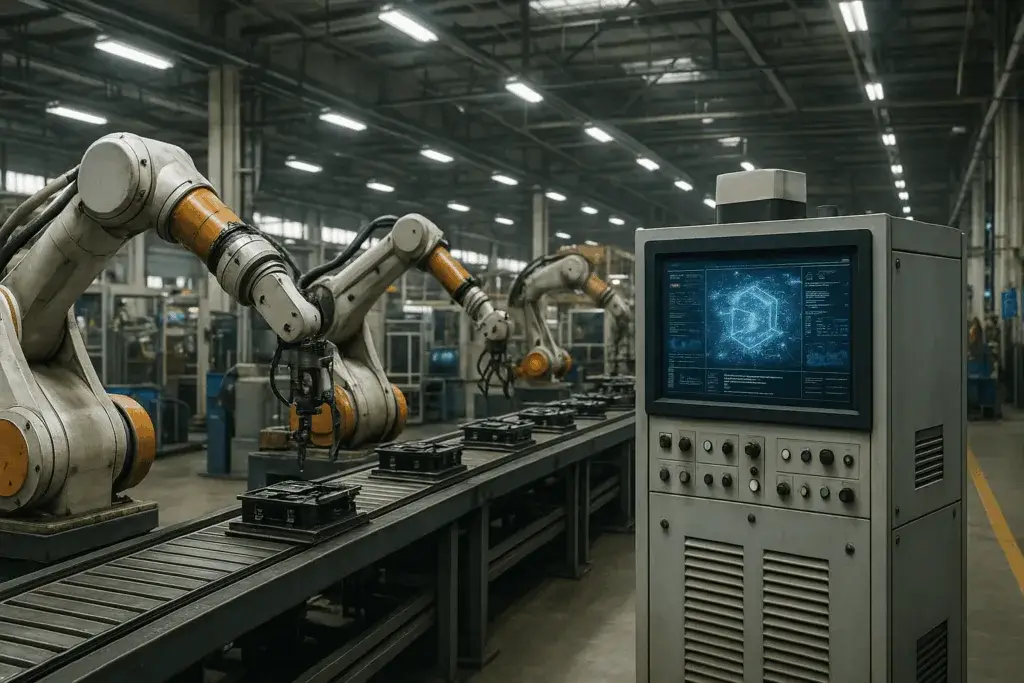
Factories are becoming smarter with the adoption of AI in different industries. Predictive maintenance helps reduce machine downtime, while robotics enhances assembly line efficiency. AI-driven quality control also ensures higher precision, reducing waste and improving output.
Broader Implications of AI
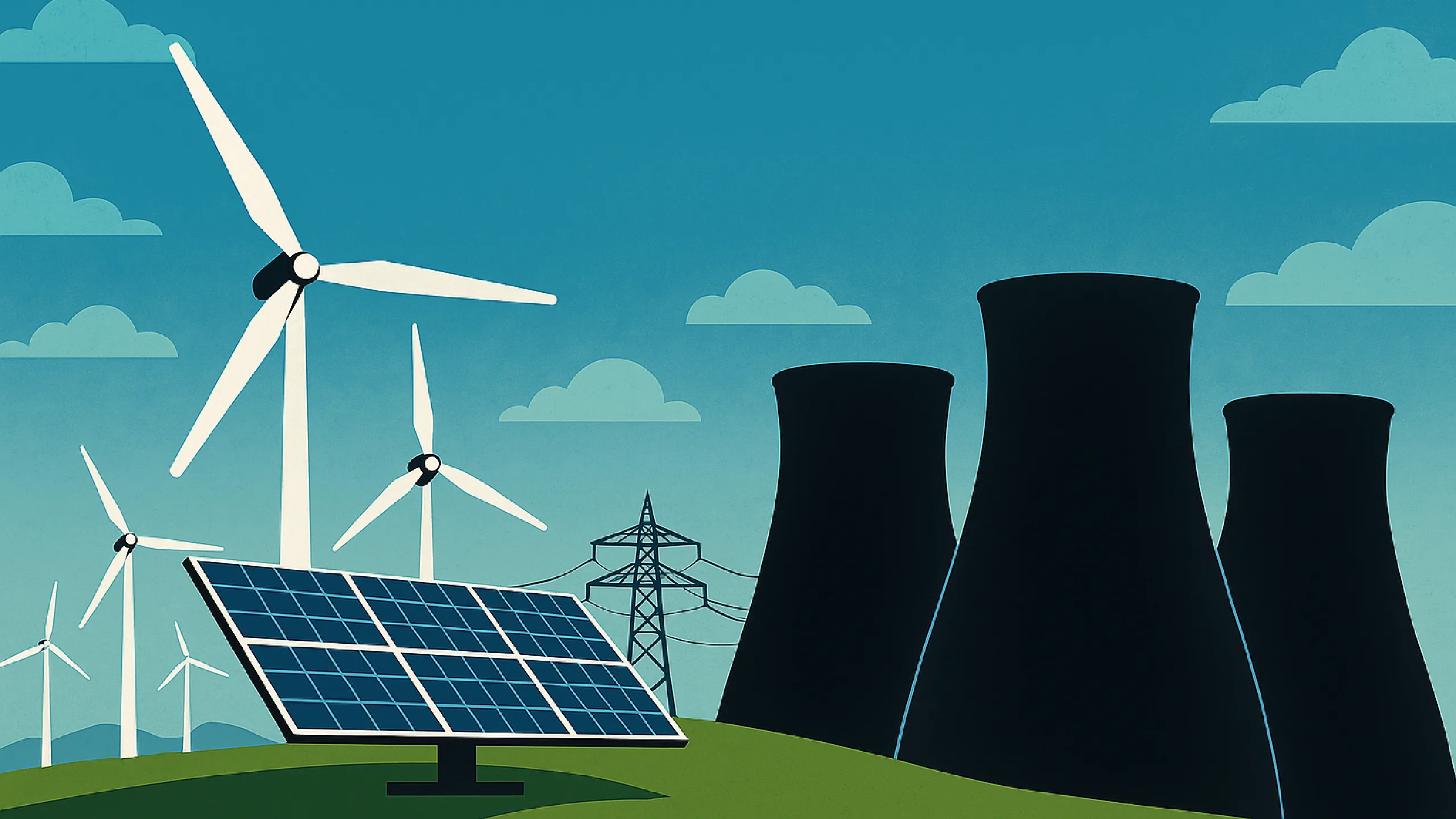
Beyond these sectors, AI in different industries is being tested in agriculture, transportation, energy, and education. Autonomous vehicles, smart grids, and AI-powered learning platforms highlight the potential for wide-scale disruption. As adoption grows, so too do ethical and regulatory considerations—balancing innovation with privacy, accountability, and job displacement.
⚡ Conclusion: AI’s Expanding Horizon
The rise of AI in different industries is more than a trend—it’s a structural shift in how the world works. Whether in healthcare, finance, retail, or manufacturing, artificial intelligence is streamlining operations, creating efficiencies, and pushing innovation forward. As industries continue to adopt and refine AI applications, the challenge will be ensuring that growth is both sustainable and ethical. The journey of AI in different industries has only just begun, and its influence will define the future of global economies.
See our other article on how AI has improved healthcare – Breakthrough Drug and AI Tools Revolutionize Heart Care for Better Lives
Questions & Answers
Q1: What are examples of AI in different industries?
A: Examples include disease detection in healthcare, fraud prevention in finance, personalised shopping in retail, and predictive maintenance in manufacturing.
Q2: How does AI improve efficiency in industries?
A: AI automates repetitive tasks, reduces human error, improves data analysis, enhances customer service, and streamlines supply chains.
Q3: What challenges come with using AI in different industries?
A: Key challenges include ethical considerations, data privacy issues, regulatory compliance, high implementation costs, and workforce adaptation.
Q4: Which industries benefit most from AI?
A: While all sectors gain value, healthcare, finance, retail, and manufacturing currently see the most measurable impact.
| Source | Link |
|---|---|
| McKinsey – The State of AI in 2025 | https://www.mckinsey.com/capabilities/quantumblack/our-insights/the-state-of-ai-in-2025 |
| PwC – AI to Drive Global GDP Growth | https://www.pwc.com/gx/en/issues/analytics/assets/pwc-ai-analysis-sizing-the-prize-report.pdf |
| Forbes – AI in Healthcare | https://www.forbes.com/sites/forbestechcouncil/2025/07/15/how-ai-is-transforming-healthcare |
| World Economic Forum – AI in Manufacturing | https://www.weforum.org/agenda/2025/03/ai-in-manufacturing-future-of-industry |
| MIT Sloan – AI in Retail | https://sloanreview.mit.edu/article/how-ai-is-revolutionizing-retail |
| Financial Times – AI in Finance | https://www.ft.com/content/artificial-intelligence-in-finance-2025 |