
Global Ocean Treaty Becomes Law: A Landmark for Marine Protection
Why the Global Ocean Treaty Matters
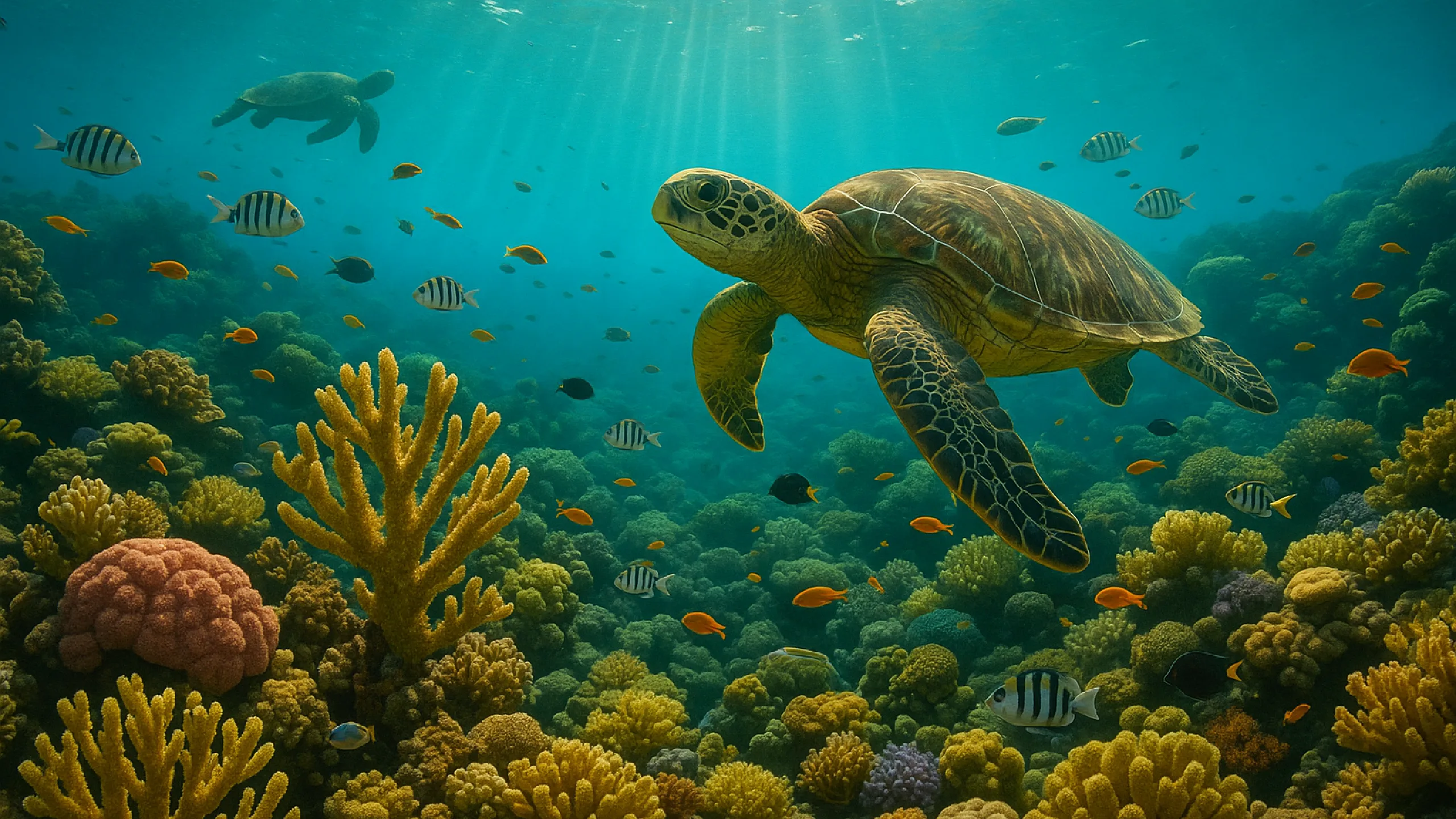
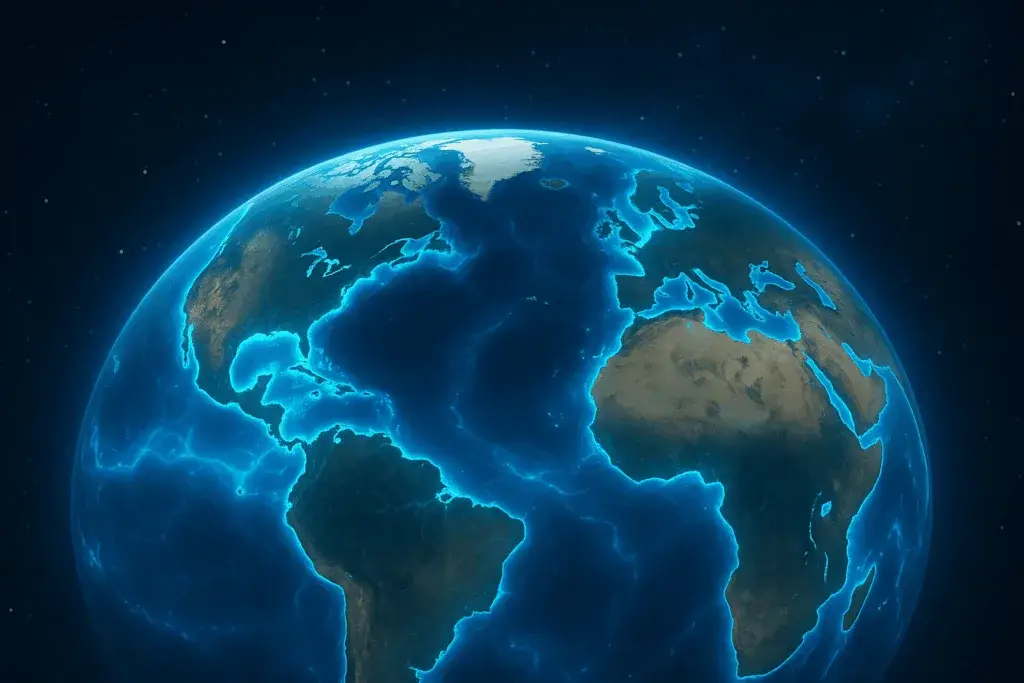
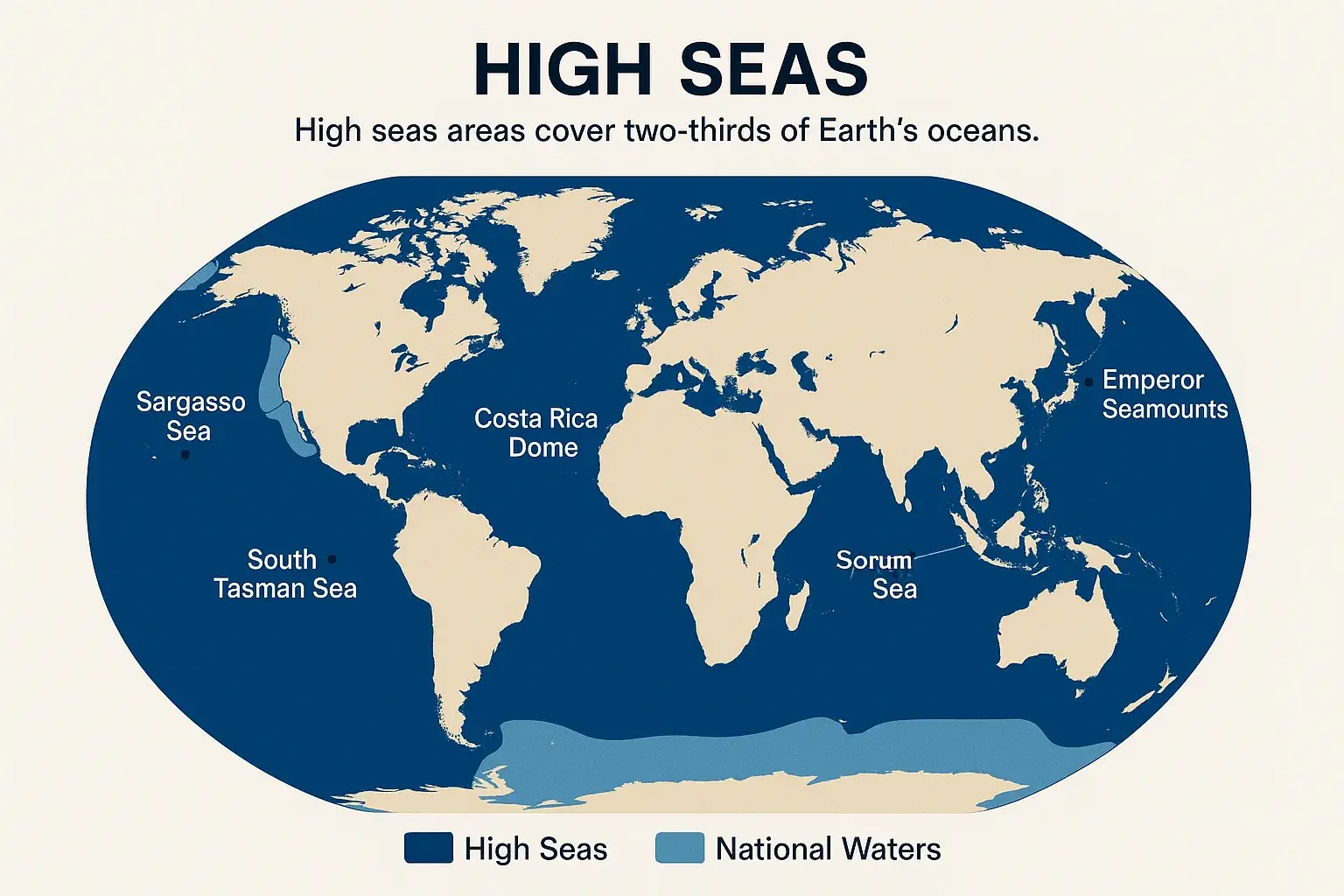
After decades of debate and years of advocacy, the Global Ocean Treaty has finally become law. This landmark agreement, endorsed by more than 60 countries, has crossed the threshold required for enforcement, offering fresh hope for marine conservation and the future of our planet’s largest ecosystem—the high seas. Covering two-thirds of the world’s oceans that lie beyond national borders, the treaty establishes a new framework for high seas protection, ensuring stronger governance, biodiversity safeguards, and sustainable resource use.
The enforcement of this biodiversity treaty represents one of the most ambitious environmental commitments in recent history, addressing gaps in international law and giving countries new tools to protect fragile marine ecosystems from overfishing, deep-sea mining, and the accelerating impacts of climate change.

Which Nations Are Signed Up?
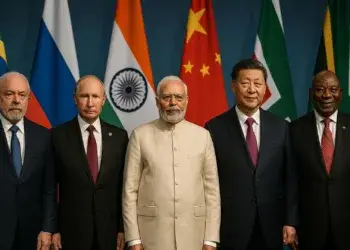
Over 60 nations have now ratified the Global Ocean Treaty, enabling it to come into force. Early supporters included small island states such as Fiji and Palau, which are among the most vulnerable to rising sea levels. European Union countries played a central role, with France, Germany, and Spain leading efforts to ratify. In Latin America, Chile and Costa Rica signed up early, reflecting their commitment to protecting the Pacific.
The United States has expressed support but has not yet ratified, while China and Russia participated in negotiations but remain cautious about enforcement. Importantly, many African nations, including Kenya and South Africa, have joined, underscoring the treaty’s global reach. This diverse coalition signals a broad recognition that the oceans are a shared responsibility requiring collective governance.
Which Nations Are Signed Up?
Over 60 nations have now ratified the Global Ocean Treaty, enabling it to come into force. Early supporters included small island states such as Fiji and Palau, which are among the most vulnerable to rising sea levels. European Union countries played a central role, with France, Germany, and Spain leading efforts to ratify. In Latin America, Chile and Costa Rica signed up early, reflecting their commitment to protecting the Pacific.
The United States has expressed support but has not yet ratified, while China and Russia participated in negotiations but remain cautious about enforcement. Importantly, many African nations, including Kenya and South Africa, have joined, underscoring the treaty’s global reach. This diverse coalition signals a broad recognition that the oceans are a shared responsibility requiring collective governance.
Which Nations Are Signed Up?
Over 60 nations have now ratified the Global Ocean Treaty, enabling it to come into force. Early supporters included small island states such as Fiji and Palau, which are among the most vulnerable to rising sea levels. European Union countries played a central role, with France, Germany, and Spain leading efforts to ratify. In Latin America, Chile and Costa Rica signed up early, reflecting their commitment to protecting the Pacific.
The United States has expressed support but has not yet ratified, while China and Russia participated in negotiations but remain cautious about enforcement. Importantly, many African nations, including Kenya and South Africa, have joined, underscoring the treaty’s global reach. This diverse coalition signals a broad recognition that the oceans are a shared responsibility requiring collective governance.
What the Global Ocean Treaty Does
The treaty focuses on protecting areas of the ocean that were previously beyond effective governance. Its main provisions include:
- Creating marine protected areas (MPAs): Safeguarding biodiversity hotspots and endangered ecosystems.
- Regulating human activities: Introducing stricter guidelines on fishing, shipping, and potential deep-sea mining.
- Environmental impact assessments (EIAs): Ensuring projects on the high seas are assessed for their environmental consequences.
- Sharing benefits fairly: Ensuring that resources, especially genetic material from marine organisms, are shared equitably among nations.
This legally binding framework fills a gap left by the United Nations Convention on the Law of the Sea (UNCLOS), which lacked strong enforcement mechanisms for conservation.
Why High Seas Protection Is Urgent
The high seas—waters beyond any nation’s jurisdiction—cover nearly half the Earth’s surface and host immense biodiversity. Yet they are under unprecedented threat:
- Overfishing: Industrial fleets target migratory species with little oversight.
- Climate Change: Rising ocean temperatures and acidification damage ecosystems.
- Pollution: Plastics, oil spills, and chemical waste accumulate in marine environments.
- Mining Risks: Deep-sea mineral exploration threatens fragile ecosystems.
By enforcing the Global Ocean Treaty, nations can coordinate to halt destructive practices and prioritize sustainable oceans for future generations.
Is This Treaty Enough?
While the treaty is historic, environmental experts warn that implementation is key. Success will depend on:
- Adequate funding: Ensuring poorer nations have resources to enforce protections.
- Global cooperation: Strong monitoring and enforcement across jurisdictions.
- Political will: Countries must resist pressures from industries like oil, gas, and mining.
Still, this ocean governance breakthrough lays the groundwork for transformative progress in international marine conservation.
The Global Impact of the Biodiversity Treaty
The treaty could be a turning point for global environmental protection. Expected outcomes include:
- Expanded Marine Protected Areas (MPAs): Bringing the world closer to protecting 30% of oceans by 2030 (the “30×30” goal).
- Stronger Scientific Research: Improving understanding of marine biodiversity and climate impacts.
- Fairer Global Sharing: Ensuring developing nations benefit from marine resources.
This aligns with broader global initiatives such as the Paris Agreement on climate change, emphasizing that protecting oceans is essential for regulating the Earth’s climate and supporting billions of livelihoods.
What does this mean? A New Era for Ocean Conservation
The official enforcement of the Global Ocean Treaty marks a historic step for humanity’s relationship with the seas. For the first time, nations have a legally binding framework to safeguard the high seas, regulate exploitation, and protect biodiversity for generations to come. While challenges remain in funding, enforcement, and international cooperation, the treaty demonstrates a global consensus that the oceans cannot be neglected any longer.
With political will and public support, this marine conservation milestone could become the foundation of a new era of environmental stewardship—where the high seas are seen not as lawless frontiers, but as shared treasures vital to the planet’s survival.
See our article – Breakthrough Seaweed Solar Design Powers Next-Gen Energy
Questions & Answers
Q1: What is the Global Ocean Treaty?
The Global Ocean Treaty is an international agreement to protect biodiversity and regulate human activities in high seas areas beyond national jurisdiction.
Q2: Why is the treaty significant?
It establishes legally binding rules for marine protection, filling gaps in previous ocean governance frameworks like UNCLOS.
Q3: How will it protect biodiversity?
The treaty enables the creation of marine protected areas, requires environmental impact assessments, and regulates harmful activities.
Q4: When does the treaty come into force?
Now that the minimum number of ratifications has been met, the treaty is legally enforceable, beginning a new phase of global marine governance.
| Source | Link |
|---|---|
| UN — BBNJ Agreement / High Seas Treaty official site | https://www.un.org/bbnjagreement/en (United Nations) |
| UN Environment Programme — BBNJ Agreement overview | https://www.unep.org/resources/agreement-marine-biological-diversity-areas-beyond-national-jurisdiction-bbnj-agreement (UNEP – UN Environment Programme) |
| UNESCO / IOC — BBNJ Agreement Successfully Ratified | https://www.ioc.unesco.org/en/bbnj-agreement-successfully-ratified (ioc.unesco.org) |
| Financial Times — High Seas treaty and deep-ocean mining | https://www.ft.com/content/b0248bcc-67ba-4c2e-86e0-8e14eeccf82e (Financial Times) |