
Is Global Warming Real? Evidence, Risks & Future Scenarios
The Divisive Question
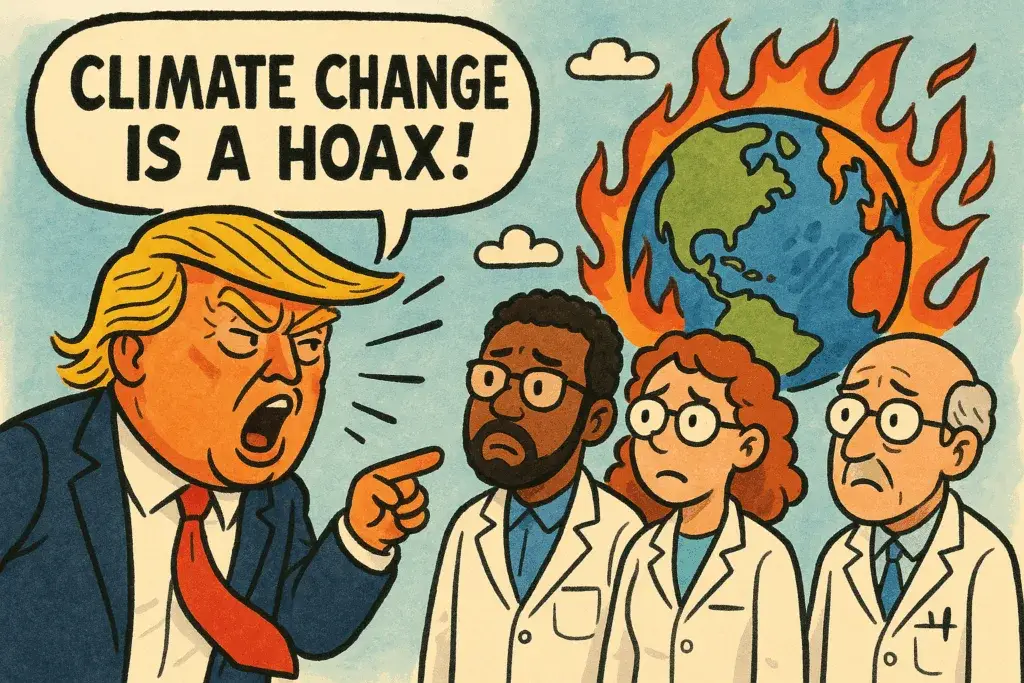
Is global warming real? Few questions divide public opinion as sharply. For decades, climate scientists have warned of rising global temperatures, declining snowfall, and more extreme weather events. The scientific evidence is overwhelming, yet political and social debates persist. Leaders like Donald Trump have dismissed climate change as a hoax, while international institutions highlight the urgent need for global cooperation.
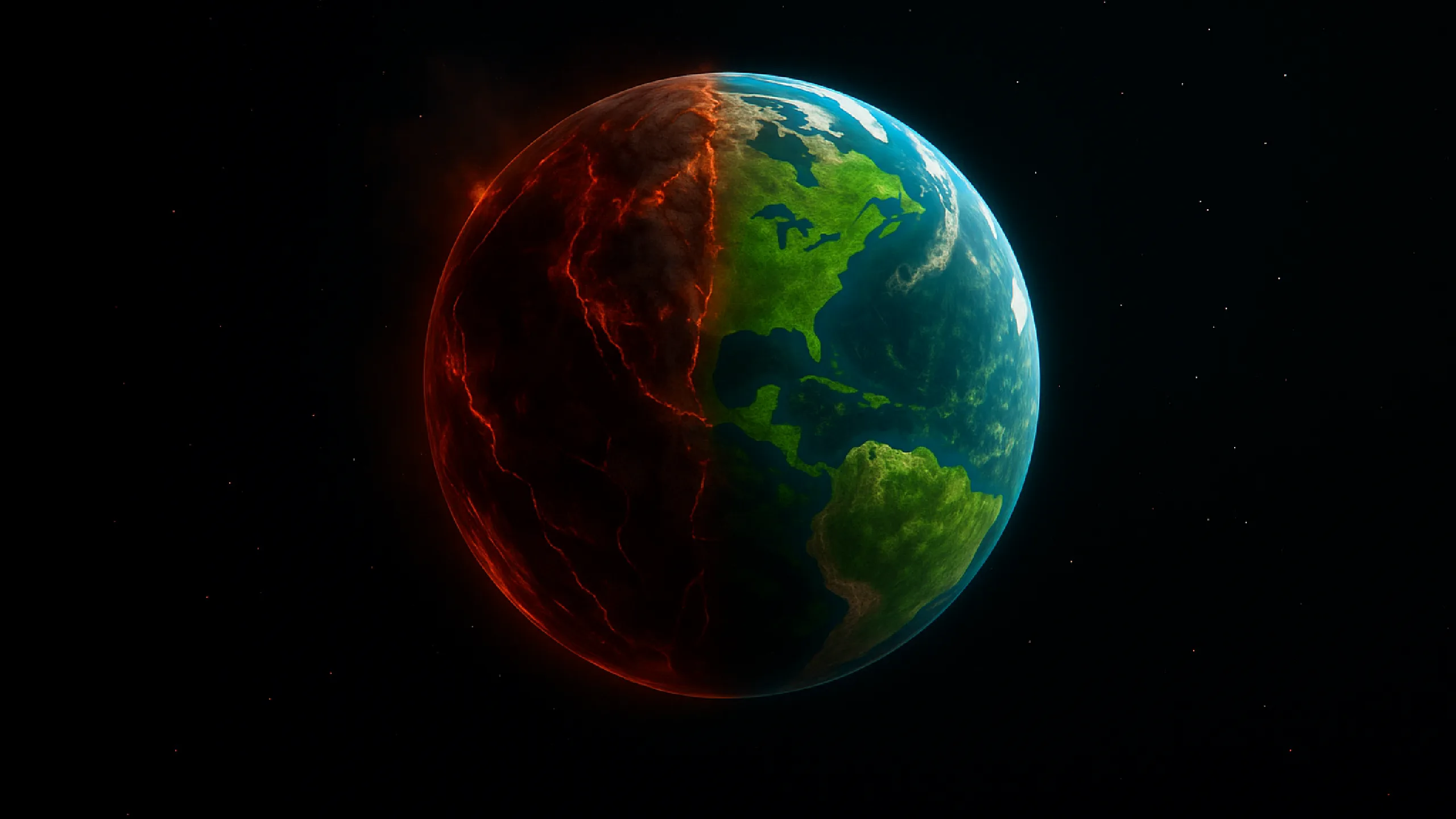
The debate is not just about data—it is about the future of humanity. With greenhouse emissions still climbing, scientists warn of catastrophic consequences if action is delayed. The question of how late is too late to prevent irreversible warming has now become central.


Global Temperatures Rising Faster Than Predicted
According to NASA, the Earth’s average surface temperature has risen by 1.2°C since the late 19th century, with the last decade being the warmest ever recorded. The IPCC warns that if emissions continue unchecked, temperatures could rise by 2.5–4°C by the end of the century.
Key trends:
- Every year since 2016 ranks among the hottest on record.
- Arctic warming is occurring at nearly four times the global average.
- Oceans are heating, leading to coral bleaching and disrupting marine ecosystems.
Decline in Snowfall and Changing Winters
Snowfall decline is one of the clearest signs of climate disruption:
- Western U.S. snowpack has shrunk by 15–30% since 1950, threatening water supplies for agriculture and millions of people.
- European Alps report shorter ski seasons, with projections showing up to 70% of ski resorts may close by 2100 without artificial snow.
- In Japan, once-famous snow-rich regions like Hokkaido face declining precipitation, hurting winter tourism.
Extreme Weather and Natural Disasters on the Rise
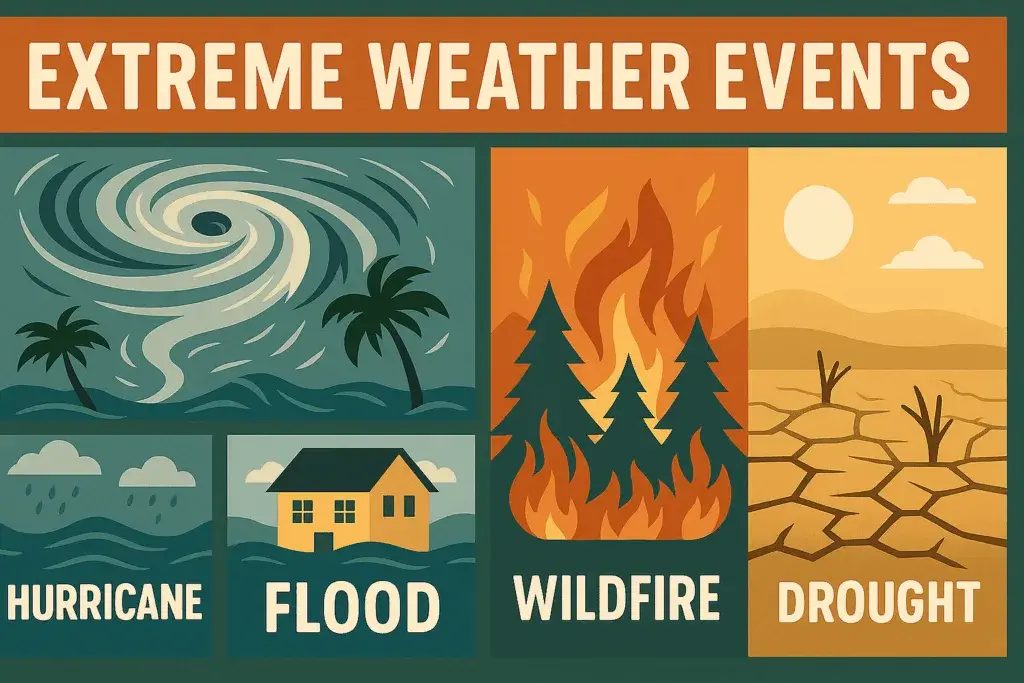
The World Meteorological Organization (WMO) reports that climate-related disasters have increased five-fold since the 1970s.
- Hurricanes & Cyclones: Warmer waters fuel stronger storms—Hurricane Ian (2022) caused $113 billion in damages.
- Wildfires: In 2020, California’s wildfires released over 112 million metric tons of CO₂.
- Flooding: Pakistan’s 2022 floods displaced 33 million people and submerged a third of the country.
- Heatwaves: In 2025, Phoenix recorded 35 consecutive days above 43°C (110°F).
These disasters cost lives, destroy infrastructure, and deepen economic inequality.
Expert Opinions: The Scientific Consensus
Nearly all scientific organizations agree that global warming is real and human-driven.
- NASA: “Multiple independent datasets show a warming planet.”
- IPCC: “Human influence has warmed the atmosphere, ocean, and land.”
- National Academy of Sciences (US): “Evidence is compelling beyond reasonable doubt.”
Yet, experts also emphasize a window of hope: cutting emissions by 50% by 2030 could keep warming below the dangerous 1.5°C threshold.
Climate Skeptics and Political Opposition
Despite near-universal scientific consensus, climate denial still has influence.
- Skeptics argue that warming is part of natural Earth cycles, citing ice ages and warm periods.
- Oil and gas lobbies have spent billions on campaigns to sow doubt.
- Trump’s position: He called global warming “a hoax created by China,” rolled back over 100 climate protections, and withdrew the U.S. from the Paris Agreement.
Trump’s Climate Policies: The Impact
During his presidency (2017–2021), Trump:
- Withdrew from the Paris Agreement.
- Rolled back the Clean Power Plan, allowing higher coal emissions.
- Weakened rules on methane leaks and fuel efficiency.
According to the Rhodium Group, these moves increased U.S. greenhouse gas emissions by 3% between 2017 and 2019, slowing progress globally. In contrast, Biden recommitted to Paris and pledged a 50% emission reduction by 2030.
The World’s Biggest Polluters
Countries responsible for most emissions:
| Country | % of Global CO₂ | Notes |
|---|---|---|
| China | ~30% | World’s largest emitter, rapid industrial growth |
| United States | ~14% | Historically largest cumulative emitter |
| India | ~7% | Heavy coal dependence, growing economy |
| European Union | ~6% | Aggressive climate policies, but still major polluter |
| Russia | ~5% | Reliant on oil & gas exports |
Together, these five account for nearly two-thirds of all global emissions.
Global Leaders in Climate Action
While some lag behind, others are climate champions:
- Denmark: Targeting 100% renewable energy by 2050.
- Costa Rica: 98% of electricity from renewable sources.
- Kenya: Expanding geothermal power, reducing reliance on fossil fuels.
- European Union: Net-zero emissions goal by 2050.
Worst-Case Scenarios: What If We Fail?
If warming continues unchecked:
- Sea level rise: Up to 2 meters by 2100, drowning major coastal cities like Miami, Shanghai, and Dhaka.
- Mass extinction: Scientists warn of the possible loss of up to 1 million species by mid-century.
- Food shortages: Extreme heat could reduce global crop yields by 20%, worsening hunger.
- Climate refugees: By 2050, up to 1.2 billion people could be displaced due to climate disasters (UN estimate).
- Health impacts: Deadly heatwaves could make parts of the Middle East and South Asia uninhabitable.
When Will It Be Too Late?
The IPCC warns that the 2030s are a critical decade. If global emissions do not decline steeply by then:
- The chance to limit warming to 1.5°C will be lost.
- By 2050, crossing 2°C warming could trigger irreversible “tipping points”—such as the collapse of the Amazon rainforest, Greenland ice sheet, and West Antarctic glaciers.
In short: it will never be too late to act, but every year of delay worsens the consequences.
So, Is Global Warming Real?
The evidence leaves no doubt: global warming is real, human-driven, and accelerating. From rising temperatures and less snowfall to destructive storms and wildfires, the impacts are visible worldwide. While skeptics like Trump dismiss the threat, the scientific consensus is overwhelming. The worst-case scenario warns of drowned cities, food crises, and mass displacement if emissions are not cut urgently.
The world still has a chance—but only if major polluters step up, and global cooperation accelerates within this decade. Global warming is real—and the time to act is now.
See our article – Humanitarian Crises Displacement Surges: Gaza, Afghanistan, Myanmar in Turmoil
Questions & Answers
Q1: Is global warming real?
Yes, supported by extensive scientific evidence across multiple fields.
Q2: When will it be too late to stop global warming?
The IPCC warns that the 2030s are critical; after that, avoiding catastrophic warming becomes unlikely.
Q3: What is the worst-case scenario of climate change?
Sea level rise, mass extinctions, food shortages, and over a billion climate refugees by 2050.
Q4: Which countries are leading in climate action?
Denmark, Costa Rica, Kenya, and the EU are at the forefront.
| Source | Link |
|---|---|
| NASA Climate Change Evidence | https://climate.nasa.gov/evidence |
| IPCC Reports | https://www.ipcc.ch/reports |
| World Meteorological Organization | https://public.wmo.int/en |
| UN Paris Agreement | https://unfccc.int/process-and-meetings/the-paris-agreement |
| Rhodium Group Analysis | https://rhg.com/research |