
Global Economy Strength: How Strong Is the World Economy in 2025?
The global economy strength in 2025 is one of cautious resilience. The world continues to grow, but at a slower, more uneven pace compared to the high-expansion decades of the past.
Understanding how strong the global economy is today requires looking beyond GDP figures — examining investment flows, ESG trends, geopolitical shocks, and long-term structural changes.
This analysis explores the true state of the global economy in 2025, how it compares to the past 50 years, and what defines its strength in a rapidly evolving world.


Key Factors Defining Global Economy Strength
1. Growth and GDP Performance
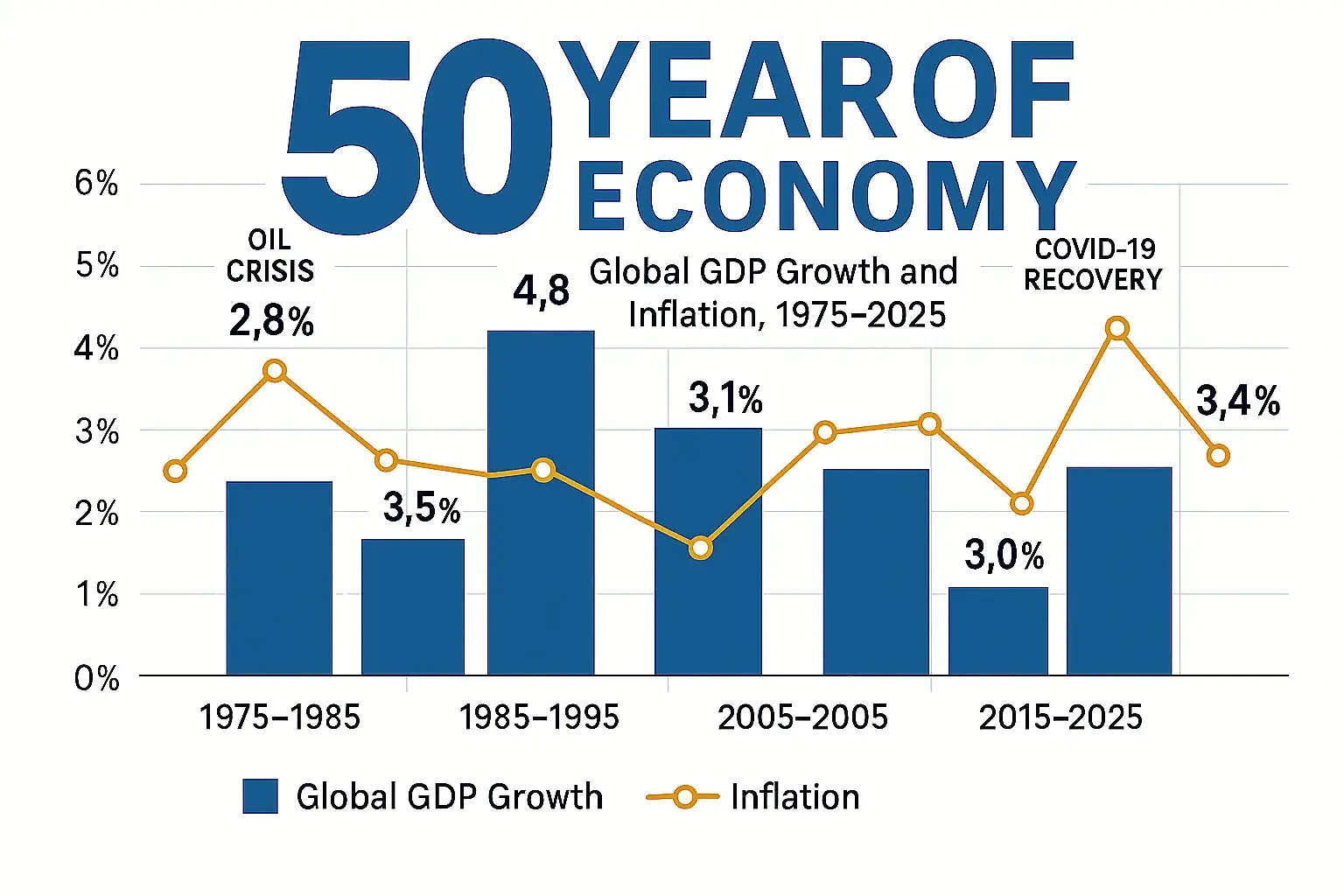
The world economy is expanding, but moderately. Global GDP growth in 2025 is projected at around 3%, a sign of stability but also of persistent headwinds. Inflation has cooled from post-pandemic peaks, yet interest rates remain high, limiting borrowing and investment.
The data suggests a global economy that is steady but not surging — maintaining enough growth to avoid recession, but lacking the dynamism of previous decades.
2. Country-by-Country Performance
Economic performance varies significantly across regions:
- United States: Growth remains around 2%, supported by tech innovation and consumer spending, though federal debt and inflation risks persist.
- China: Expansion is slowing to around 4.5% amid property sector struggles and weaker exports.
- India: One of the strongest global performers, with growth above 6%, driven by domestic demand and digital transformation.
- Eurozone and Japan: Growth remains below 1.5%, constrained by ageing populations and low productivity.
Together, these figures show that the global economy strength is increasingly dependent on emerging markets rather than traditional economic powers.
3. Investment Flows and ESG Impact
Investment remains a major pillar of global economy strength.
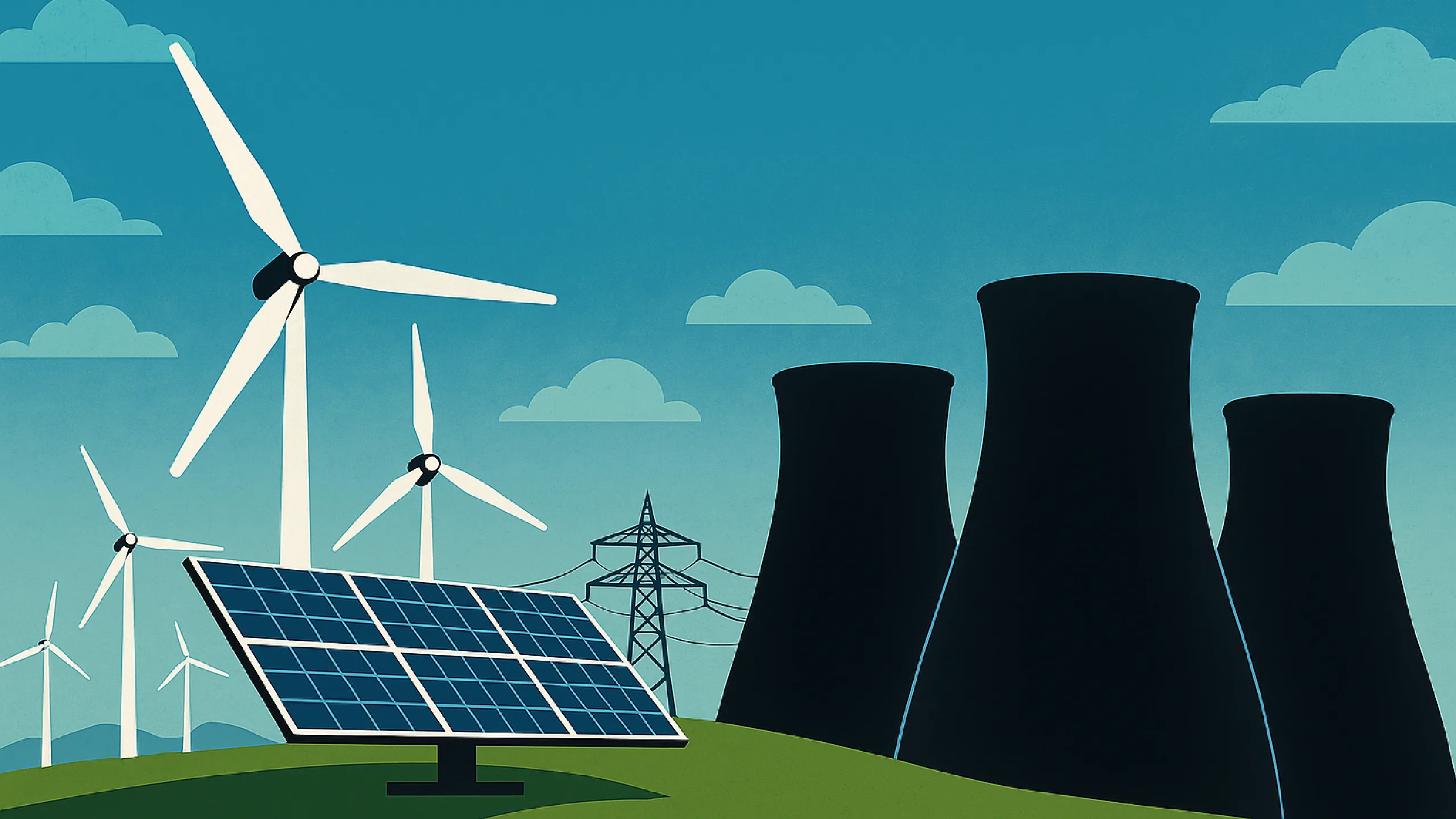
- Capital is shifting toward AI, digital infrastructure, and green energy, which are boosting long-term productivity.
- ESG (Environmental, Social, Governance) principles are now mainstream, influencing trillions in global capital allocation. Companies with strong ESG credentials attract more investors and are more resilient to market shocks.
- However, the cost of transitioning to sustainable energy and infrastructure remains high, creating strain in developing markets.
4. Global Events and Geopolitical Risks
Global economy strength in 2025 continues to be shaped by uncertainty.
- Trade tensions between major powers, especially the U.S. and China, have re-emerged, disrupting global supply chains.
- Conflicts in Ukraine and the Middle East continue to drive commodity volatility.
- Central bank policies remain tight, with high interest rates slowing global borrowing.
Despite these challenges, global trade volumes are holding steady — a testament to the system’s resilience.
50 Years of Global Economy Strength — Decade by Decade
To appreciate today’s economy, it’s essential to compare it with the past half-century:
1975–1985
Following the oil crises, global growth slowed and inflation soared. Most developed economies experienced “stagflation” — low growth with high prices. The global economy strength during this period was weak and unstable.
1985–1995
A decade of recovery and liberalisation. Globalisation accelerated, inflation fell, and emerging markets — especially in Asia — began to rise. The world economy strengthened as trade expanded rapidly.
1995–2005
This was a golden era for global economy strength. The internet revolution, China’s entry into the WTO, and booming global trade lifted millions out of poverty and created one of the most synchronised global expansions in history.
2005–2015
The financial crisis of 2008 brought a deep recession, followed by uneven recovery. Growth resumed, but debt soared and inequality widened. The global economy’s strength became more fragile and reliant on monetary stimulus.
2015–2025
The pandemic and geopolitical tensions defined this decade. After a brief post-pandemic boom, growth settled at around 3%. Today’s global economy is stable but structurally slower, reflecting an ageing population, climate costs, and slower productivity gains.
Verdict:
Compared to the past 50 years, the global economy strength in 2025 is moderate — stronger than in crisis periods, but far below the expansionary waves of the 1990s and early 2000s.
Regional Contributions to Global Economy Strength
Developed Economies
- United States: The U.S. remains the innovation leader, with AI and green-tech investment bolstering productivity. However, rising national debt and a divided policy environment are long-term risks.
- Europe and Japan: Growth is steady but slow, hindered by demographic decline and low innovation capacity.
Emerging Economies
- India is now a key growth engine, driven by digital services, manufacturing, and infrastructure spending.
- Southeast Asia continues to benefit from supply chain diversification away from China.
- Africa and Latin America show mixed results — resource-rich nations benefit from high commodity prices, while debt-laden economies remain fragile.
ESG and the Role of Investment
The integration of ESG principles into global finance has transformed how we assess the world’s economic health.
- ESG assets now account for over 30% of total global assets under management.
- Investments in green energy and decarbonisation projects exceeded $1.8 trillion globally in 2025.
- ESG-driven corporate strategies have proven more resilient during market downturns, indicating that sustainable investment directly supports global economy strength.
However, the transition also carries challenges: energy costs, uneven regulations, and financing gaps for developing nations could limit inclusive growth.
Global Events, Shocks, and the Path Forward
Economic volatility is being shaped by both external and structural forces:
- Trade wars and tariff expansions continue to reshape global supply networks.
- Climate events increasingly disrupt food and energy markets.
- High debt levels, particularly in emerging markets, limit fiscal flexibility.
Still, global cooperation on AI governance, clean technology, and trade diversification offers a foundation for renewed growth. The global economy’s strength, while tested, remains underpinned by innovation and adaptability.
Assessing the Global Economy Strength in 2025
The global economy strength in 2025 is defined by stability without exuberance. Growth is moderate, trade is adapting, and innovation is thriving — yet challenges such as debt, inequality, and geopolitical risk keep the system fragile.
Compared with previous decades, the world economy is far more interconnected, technologically advanced, and environmentally aware, but also more complex and uneven.
In short, the global economy of 2025 is resilient but restrained — strong enough to endure shocks, yet still searching for its next major growth driver.
See our other article – Job-pocalypse Unleashed: How AI Is Devouring Entry-Level Job Oppurtunities
Questions & Answers
Q1: How strong is the global economy in 2025?
A1: Moderately strong — growing at around 3%, supported by technology and investment, though constrained by high interest rates and global tensions.
Q2: Which countries are driving global growth?
A2: India and parts of Southeast Asia are leading, while the U.S. remains stable. Europe and Japan are lagging behind.
Q3: What role does ESG play in the global economy?
A3: ESG drives sustainable investment, improves resilience, and attracts capital, becoming a central pillar of long-term global growth.
Q4: How does 2025 compare to past decades?
A4: The economy is stronger than during crises but weaker than during the 1990s–2000s global boom. Growth is slower, but sustainability and technology have improved overall resilience.
| Source | Description | Link |
|---|---|---|
| IMF World Economic Outlook 2025 | Global growth projection ~3 %. | https://www.imf.org/en/Publications/WEO/Issues/2025/07/29/world-economic-outlook-update-july-2025 |
| OECD Economic Outlook June 2025 | Growth expected ~2.6 %. | https://www.oecd.org/en/publications/2025/06/oecd-economic-outlook-volume-2025-issue-1_1fd979a8.html |
| UN World Economic Situation & Prospects 2025 | Projects growth ~2.4 %. | https://desapublications.un.org/publications/world-economic-situation-and-prospects-mid-2025 |
| PwC Global Economy Outlook Q2 2025 | Examines investment, inflation, and trade dynamics. | https://www.pwc.com/mt/en/publications/economic-outlook/2025-q2.html |
| McKinsey Global Economic Conditions Outlook 2025 | Analysis of resilience, inflation, and long-term growth trends. | https://www.mckinsey.com/capabilities/strategy-and-corporate-finance/our-insights/economic-conditions-outlook |