
A Turning Point for Global Energy
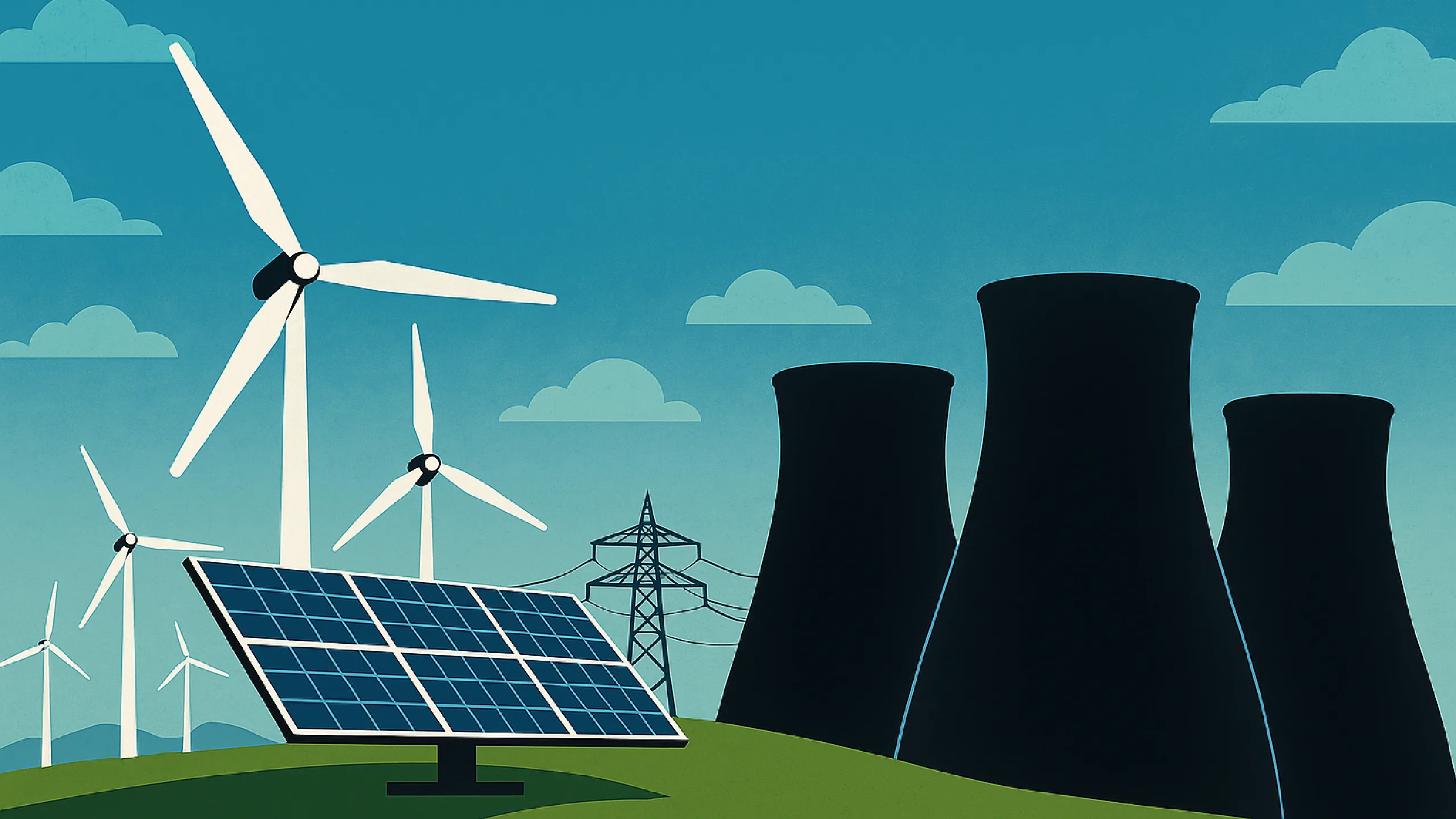
For the first time in recorded history, renewables overtake coal as the world’s leading source of electricity. This milestone marks a pivotal moment in the global clean energy transition, symbolising the accelerating shift from fossil fuels toward sustainable power generation.
According to several major reports and analyses, renewable energy sources — including wind, solar, hydro and bioenergy — have now produced more electricity than coal worldwide. This transformation reflects years of technological progress, investment momentum, and international policy commitments aimed at reducing carbon emissions and diversifying energy sources.


Why Renewables Are Rising
Solar and Wind Expansion
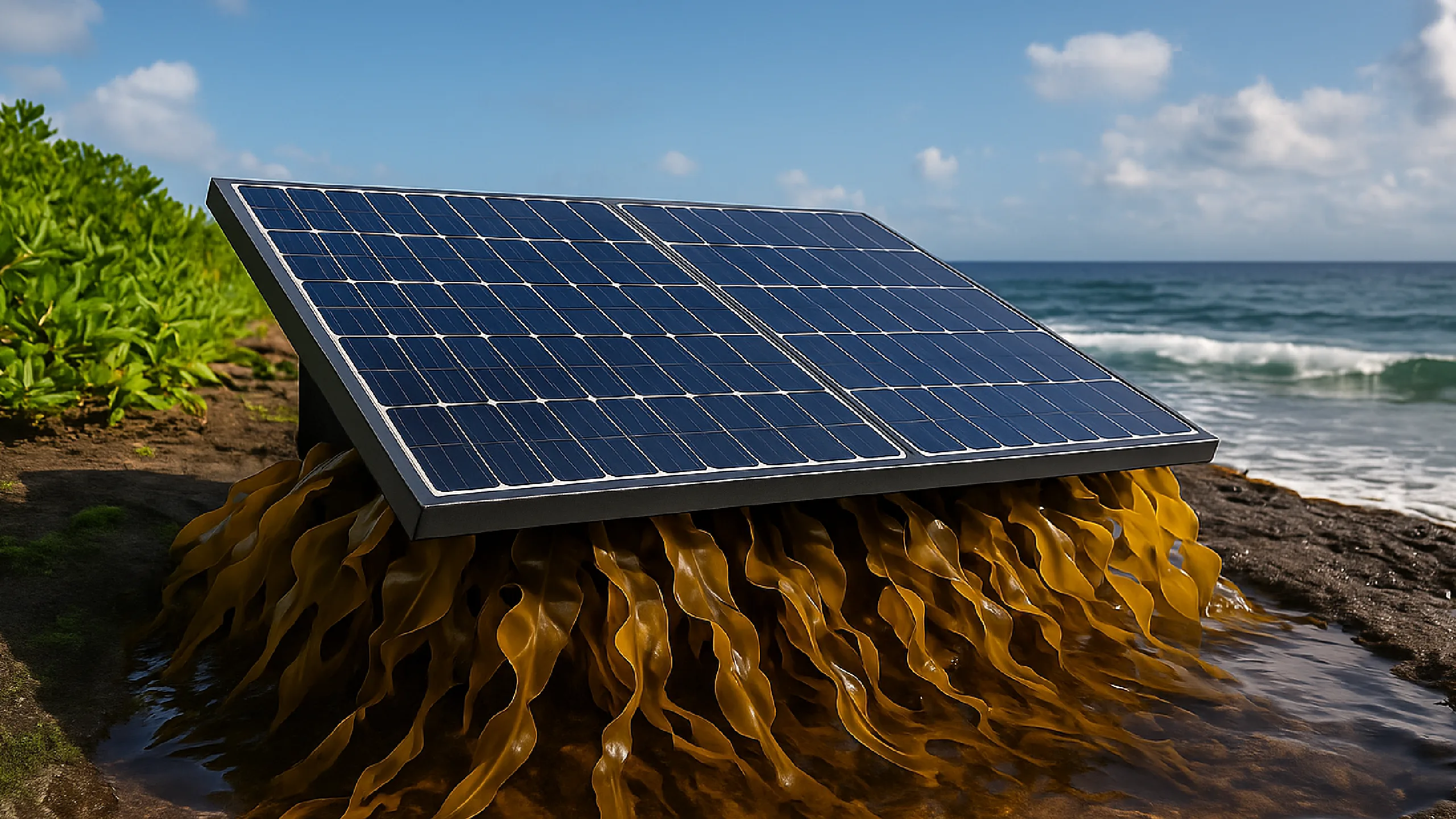
The rapid rise of solar and wind power has been central to this global transformation. Falling costs, greater efficiency, and large-scale deployment have made renewable electricity the preferred choice for new energy investments. Many countries are now integrating renewables as their primary source of power generation rather than a supplementary one.
Policy and Investment Support
Government incentives, international climate agreements, and private sector financing have driven large-scale renewable development. Major economies have set ambitious targets for clean electricity production, accelerating the shift away from fossil fuels and making renewables more competitive across global markets.
Technological Innovation
Advancements in battery storage, grid optimisation, and AI-driven forecasting have addressed many of the reliability challenges that once limited renewable adoption. As a result, energy systems can now store excess electricity, balance demand more effectively, and ensure grid stability even during fluctuating generation periods.
Regional Dynamics: A Global but Uneven Transition
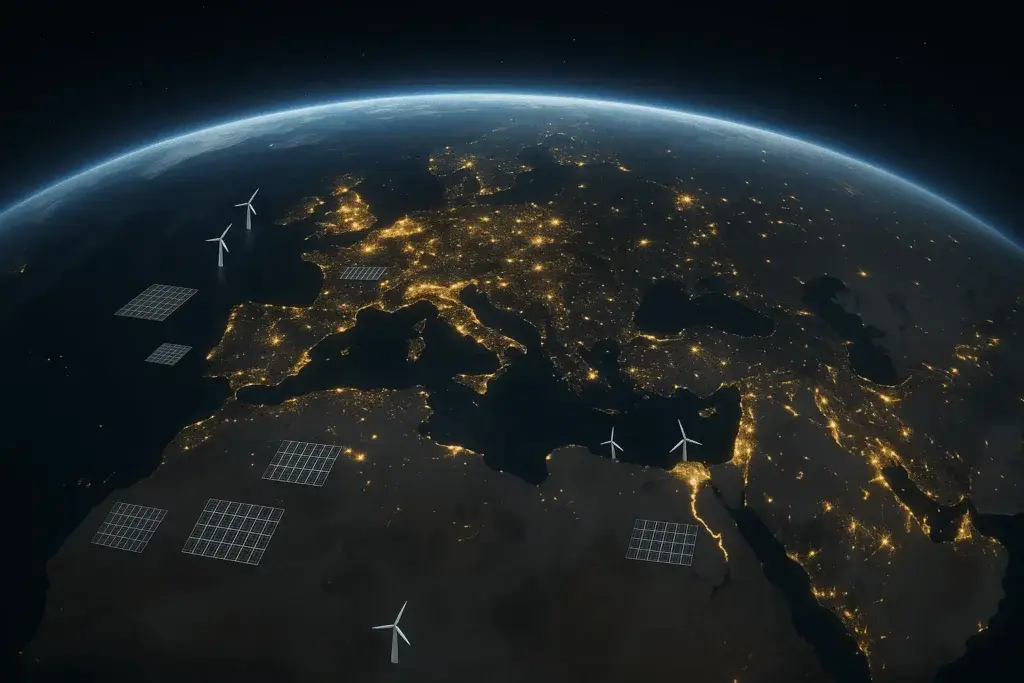
While renewables have overtaken coal globally, the pace of transition varies by region.
- Asia: Several major Asian economies have led the expansion of renewable energy capacity, supported by national investment programs and declining solar panel costs.
- Europe: Many European countries continue to close coal-fired plants and expand offshore wind projects, reinforcing the region’s leadership in clean electricity.
- United States: Renewable energy growth remains strong, with states adopting clean energy mandates and private companies investing heavily in sustainable infrastructure.
- Emerging Markets: In Africa and Latin America, smaller-scale solar and wind projects are transforming rural electrification, reducing energy poverty and dependence on fossil imports.
This global diversification of clean energy investment demonstrates that renewable electricity is no longer concentrated in wealthy nations — it is a universal movement redefining the global energy mix.
Implications for Climate and Economy
Lower Emissions and Cleaner Air
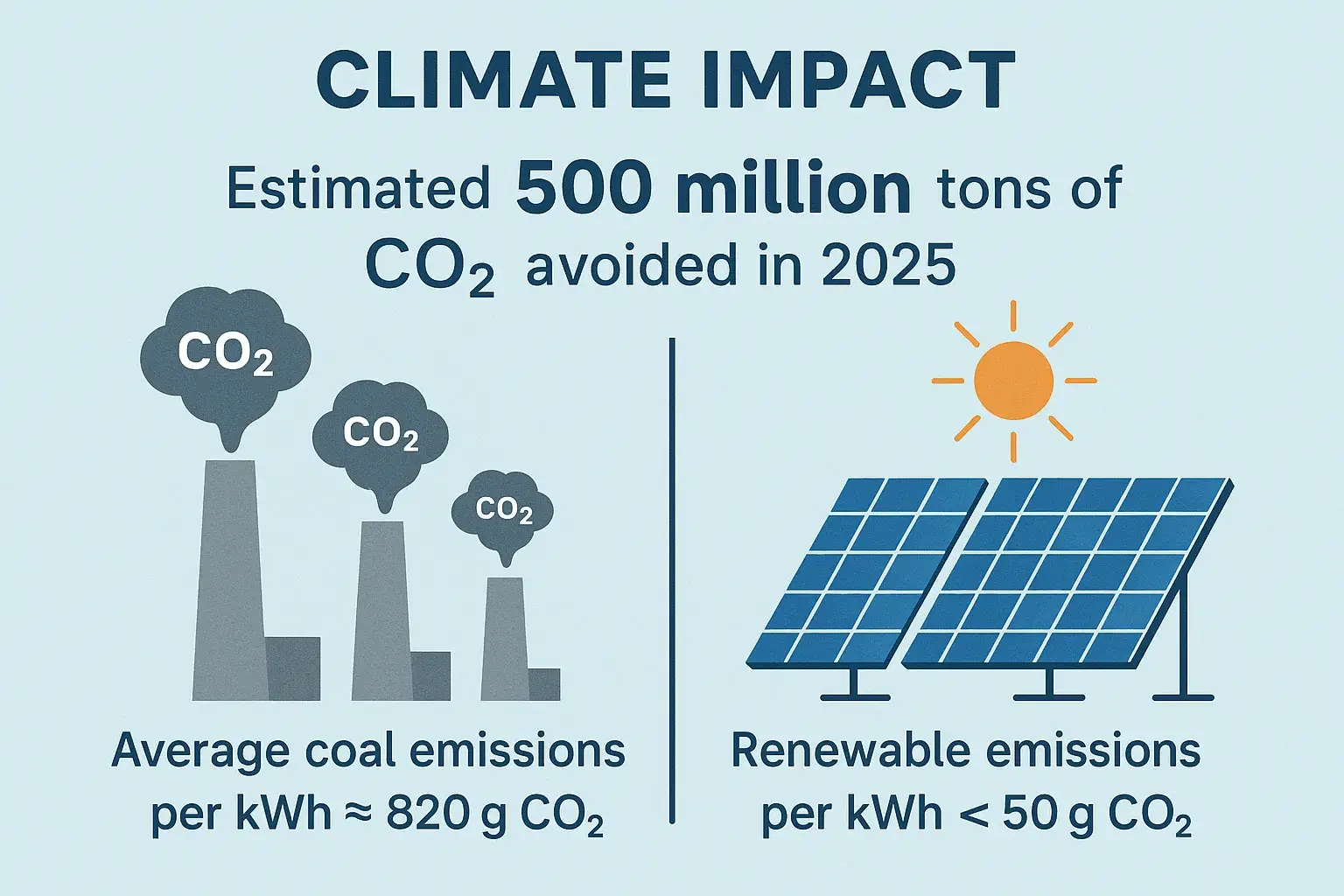
As renewables overtake coal, global carbon emissions from the power sector are expected to plateau and gradually decline. The shift also improves air quality in regions historically affected by heavy coal reliance, bringing measurable health and environmental benefits.
Energy Security and Independence
Renewables strengthen national energy independence by reducing dependence on imported coal and gas. Countries with strong renewable infrastructure are less vulnerable to global commodity price fluctuations and geopolitical risks associated with fossil fuel trade.
Economic Opportunities
The renewable energy boom is creating millions of jobs in manufacturing, construction, and maintenance. Entire new industries — from solar technology to green hydrogen — are emerging, driving economic growth while supporting decarbonisation.
Challenges Ahead for Renewable Dominance
Despite this historic progress, several obstacles remain before renewables can achieve full dominance:
- Energy Storage: Ensuring consistent supply during low generation periods requires continued investment in battery and storage technology.
- Grid Modernisation: Outdated energy infrastructure in some regions limits renewable integration, especially for remote solar and wind projects.
- Policy Consistency: Political shifts and fossil fuel lobbying could slow progress in certain countries if renewable incentives are reduced.
- Supply Chain Resilience: The demand for key materials such as lithium, cobalt, and rare earth metals continues to strain supply chains.
Overcoming these challenges will determine whether renewables can maintain their lead over coal in the years ahead.
The Broader Meaning of the Transition
The moment when renewables overtake coal globally is about more than numbers — it represents a structural transformation of how humanity powers itself. The era of coal as the backbone of industrial civilisation is giving way to a cleaner, more resilient, and more decentralised energy system.
Renewable electricity is no longer a futuristic ideal; it is now a central pillar of modern economies and an essential force in climate mitigation efforts. As technology and policy align, the dominance of clean power is poised to expand further — reshaping markets, industries, and global relations for decades to come.
The Dawn of a Renewable Century
The fact that renewables overtake coal marks the beginning of a new chapter in global energy history. It signifies the power of innovation, collective action, and environmental awareness converging into real-world progress. While challenges remain, the direction is clear — the future of energy is clean, sustainable, and increasingly renewable.
This milestone is both a celebration and a call to action: to accelerate investment, strengthen global cooperation, and ensure the transition continues at a pace that meets the urgency of the climate crisis.
See our article – China Emissions Target: Xi’s Bold Climate Pledge
Questions & Answers
Q1: What does it mean that renewables overtook coal globally?
It means renewable energy sources collectively generated more electricity worldwide than coal for the first time ever — a historic milestone in the energy transition.
Q2: Why is this significant?
It marks a structural turning point in global power generation, reducing dependence on fossil fuels and helping lower global carbon emissions.
Q3: Which countries are leading this change?
Nations like China, India, the United States, and several in Europe have driven the majority of new renewable installations and capacity growth.
Q4: What challenges could affect the momentum?
Key challenges include storage limitations, outdated grid infrastructure, and inconsistent policy support across regions.
| Source | Link |
|---|---|
| Reuters – Global renewable power output overtakes coal | reuters.com |
| The Guardian – Renewables surpass coal in global generation | theguardian.com |
| Ember – Global Electricity Review 2025 | ember-energy.org |
| International Energy Agency – Electricity Market Report 2025 | iea.org |
| RMI – Global Energy Transition Outlook 2025 | rmi.org |
| AP News – Renewables’ global growth trends | apnews.com |