Artificial Intelligence is often praised for its potential to revolutionize industries, improve efficiency, and even tackle some of humanity’s toughest challenges. From speeding up medical research to optimizing global supply chains, the technology is often portrayed as a gateway to progress. But alongside these promises come significant dangers. Experts across the world warn that AI carries risks that could reshape economies, societies, and even human agency in troubling ways.
Job Displacement and Economic Inequality
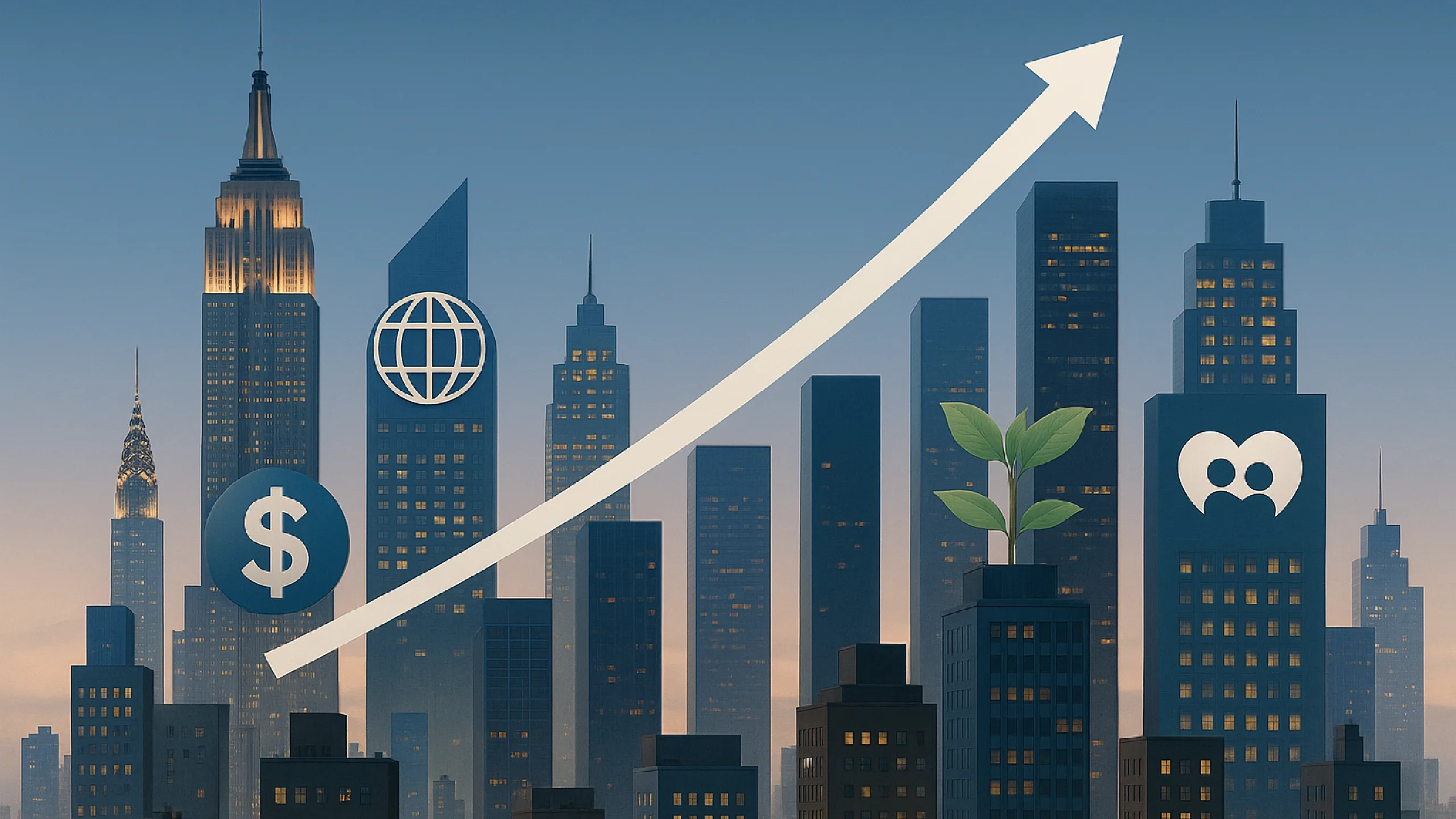
One of the most pressing fears about AI is its impact on employment. While automation has been disrupting jobs for decades, AI is different in scope and scale. It no longer just threatens repetitive factory roles but is moving into white-collar professions once thought secure.

Customer service chatbots, AI-powered legal research tools, automated journalism, and diagnostic algorithms in healthcare all hint at a future where machines can handle complex decision-making. While some argue new jobs will emerge in AI development and maintenance, many experts caution that retraining workers at the necessary scale will be extremely difficult.
The result could be mass unemployment in vulnerable industries and a widening gap between tech-savvy elites and displaced workers. Without robust policies for education, reskilling, and social safety nets, entire communities risk being left behind in the AI economy.
Bias and Discrimination
Another danger lies in how AI systems make decisions. Algorithms learn from data, and data often reflects human biases. When those biases are baked into systems used for hiring, policing, or lending, the result can be large-scale discrimination.
For example, facial recognition technologies have been shown to misidentify people of color at much higher rates than white individuals. In hiring, AI tools trained on historical employment data have inadvertently favored male candidates over women. Left unchecked, these systems risk reinforcing stereotypes and locking inequality into the very technologies designed to streamline fairness.
Because AI often works as a “black box,” even developers may not fully understand why a system makes a given decision. This lack of transparency makes it difficult to identify or challenge discriminatory outcomes.
The Erosion of Privacy
AI also poses a profound threat to personal privacy. The technology relies on vast amounts of data, much of it gathered from everyday devices. Smartphones, voice assistants, social media platforms, and surveillance cameras all feed into AI systems that analyze, predict, and sometimes manipulate human behavior.
Governments and corporations alike are adopting AI for large-scale monitoring. Predictive policing tools, biometric tracking, and mass facial recognition are already in use in several countries. While proponents argue these technologies improve security, critics warn they also open the door to authoritarian control. Once surveillance systems are embedded into daily life, rolling them back becomes nearly impossible.
The central concern is that individuals may lose the ability to control their own digital footprint. In a world where every action is tracked and analyzed, the concept of privacy could become obsolete.
Misinformation and Manipulation
The rise of generative AI has also created new challenges in the fight against misinformation. Tools that can generate realistic text, images, and videos are being misused to spread propaganda, fake news, and conspiracy theories at scale.
Deepfake videos can impersonate world leaders, potentially sparking diplomatic crises. Automated bot networks can flood social media with misleading narratives, distorting public opinion and undermining democratic processes. Unlike traditional misinformation, these AI-generated outputs are often highly convincing, making them harder for audiences to detect.
In an era where information underpins democracy, the ability of AI to manipulate truth is one of the most concerning risks.
Security and Autonomous Weapons
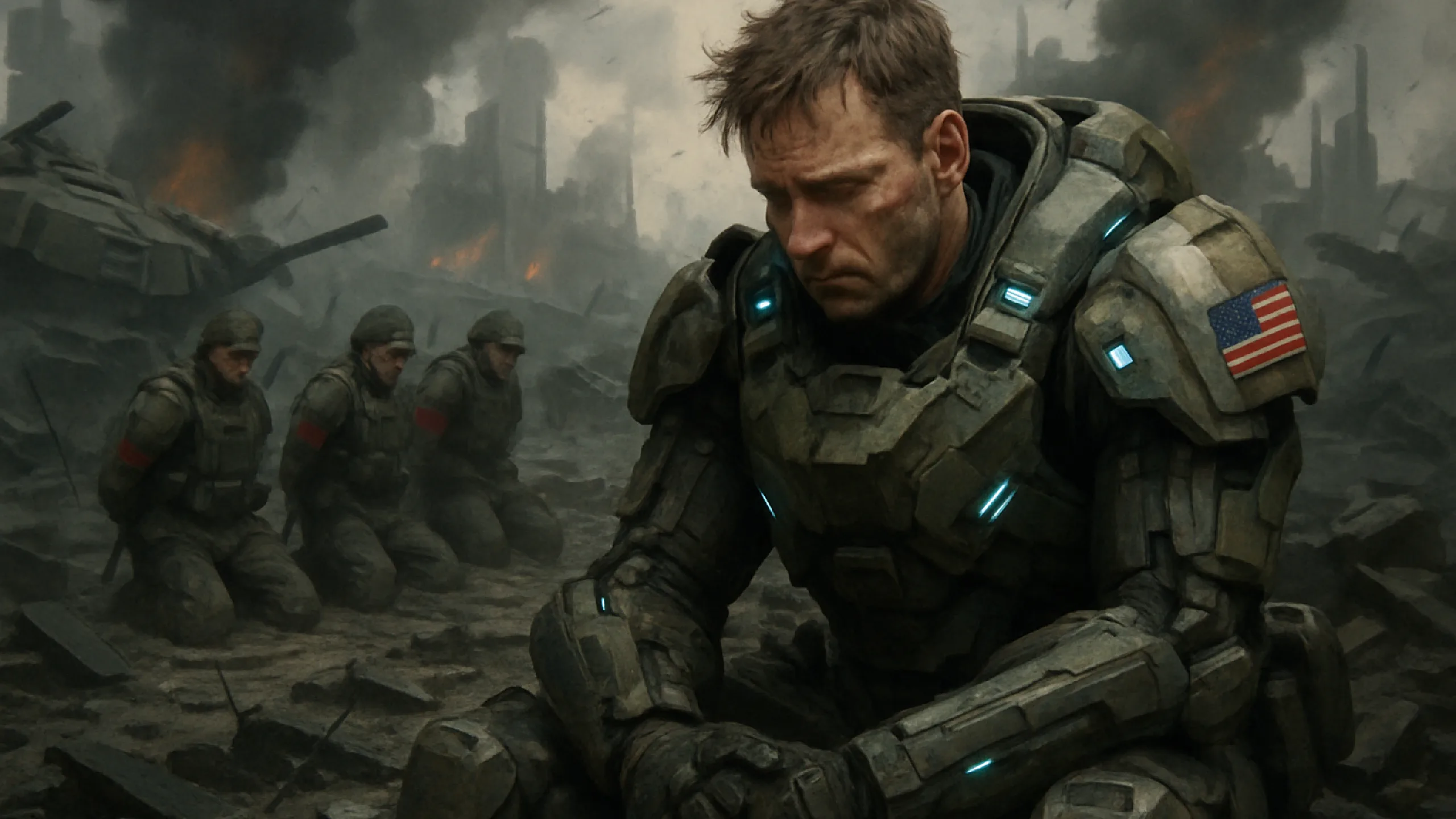
Beyond misinformation lies the question of security. Militaries around the world are investing heavily in AI-powered systems, including autonomous drones capable of selecting and engaging targets without human intervention. Critics argue that delegating life-and-death decisions to machines is both unethical and dangerous.
At the same time, AI increases the sophistication of cyberattacks. Hackers can use algorithms to find system vulnerabilities more efficiently, automate large-scale phishing attacks, or create self-learning malware that evolves to evade defenses. Critical infrastructure such as hospitals, financial networks, and power grids could all become more vulnerable in an AI-driven cyberwarfare landscape.
Dependence and the Loss of Human Agency
Finally, experts warn of a more subtle but equally serious danger: human dependence on AI. As systems grow more advanced, there is a risk that decision-making in medicine, law, and governance will increasingly be outsourced to algorithms.
While AI can enhance decision-making, overreliance may reduce human oversight and accountability. In the long term, some researchers raise concerns about artificial general intelligence—AI that surpasses human reasoning in unpredictable ways. If such systems are developed without clear alignment to human values, the consequences could be catastrophic.
Conclusion: A Call for Responsible Development
AI is not inherently harmful. Its potential to solve global challenges is real, and many of its applications already improve daily life. But ignoring its risks is not an option. Without ethical safeguards, strong regulations, and international cooperation, AI’s dangers could outweigh its benefits.
The challenge ahead is clear: society must find a way to harness AI’s promise without succumbing to its perils. Decisions made today will shape not only the technology itself but the future of humanity’s relationship with it.
If history has taught us anything, it is that powerful technologies bring both progress and peril. Artificial Intelligence is no different. Whether it becomes a tool of empowerment or disruption will depend on how wisely we act—before it is too late.