
Understanding the Civil War in Sudan
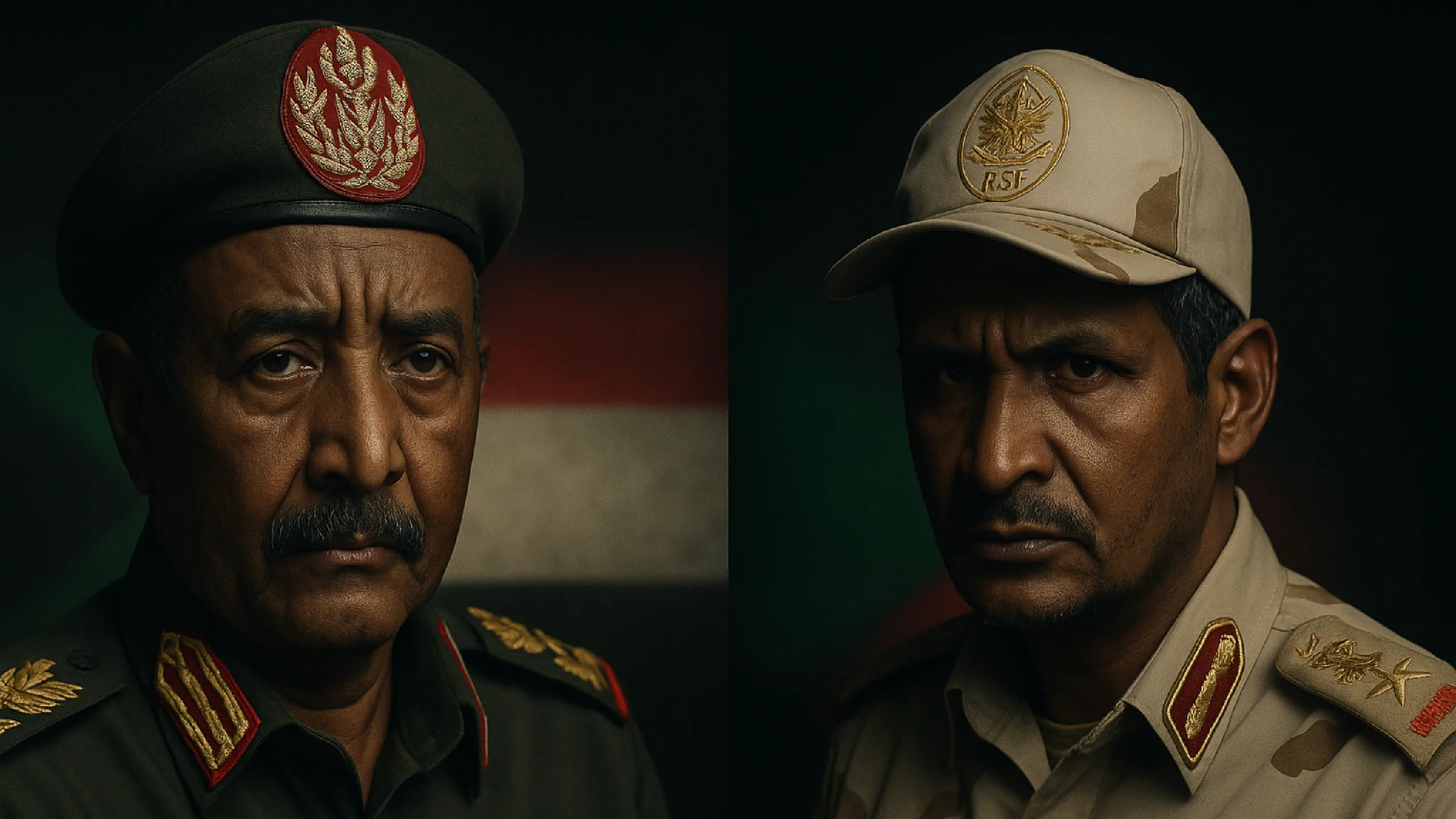
The civil war in Sudan has erupted into one of the most devastating conflicts of our era. Since April 2023, the war has plunged the country into chaos as fighting between the Sudanese Armed Forces (SAF) and the Rapid Support Forces (RSF) has spread from the capital, Khartoum, into regions such as Darfur and Kordofan. The civil war in Sudan is not merely a military struggle — it is a humanitarian catastrophe that has displaced millions, destabilised neighbouring countries, and shattered one of Africa’s largest nations. This article explores the conflict’s roots, progression, international response, and its uncertain path toward peace.
Roots of the Conflict: Causes of the Civil War in Sudan
The origins of the civil war in Sudan extend across decades of political, ethnic and economic tensions:


- Colonial legacies created deep divides between central elites and peripheral communities.
- The fall of longtime ruler Omar al-Bashir in 2019 left a power vacuum between military factions.
- Rivalry between the SAF (led by General Abdel Fattah al-Burhan) and the RSF (led by Mohamed Hamdan Dagalo, known as “Hemedti”) escalated into full-scale war on 15 April 2023.
- Competition over control of gold mines, trade routes, and military authority deepened divisions.
Conflict Timeline and Key Phases of the Civil War in Sudan
April 2023 – Outbreak in Khartoum
On 15 April 2023, fighting erupted in Khartoum between the SAF and RSF, with airstrikes and artillery battles tearing through residential areas.
Mid-2023 – Spread to Darfur and Kordofan
The conflict quickly expanded into Darfur, where ethnic violence and massacres were reported. Kordofan and Blue Nile regions also became flashpoints.
2024–2025 – Humanitarian Collapse and Entrenchment
By 2024, the conflict had turned into a prolonged stalemate. Both sides control different territories, and civilians suffer famine, disease, and displacement.
General Abdel Fattah al-Burhan – Leader of the Sudanese Armed Forces
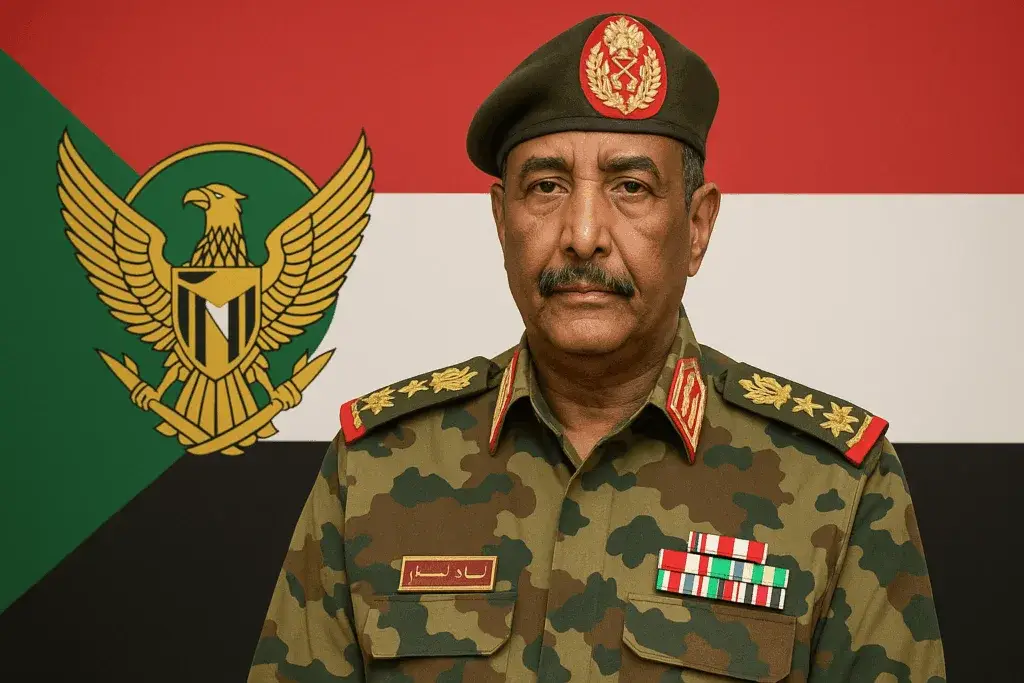
General Abdel Fattah al-Burhan is the commander of the Sudanese Armed Forces (SAF) and the de facto leader of Sudan since 2021. Born in 1959 in Gandatu, north of Khartoum, Burhan graduated from Sudan’s military academy and rose steadily through the ranks, serving in various conflicts including Darfur, where he gained influence within Sudan’s power structure.
During the regime of Omar al-Bashir, Burhan held key army posts and became Inspector General of the Armed Forces, overseeing operations alongside the Rapid Support Forces (RSF), then commanded by Mohamed Hamdan Dagalo (“Hemedti”). When Bashir was overthrown in April 2019 following mass protests, Burhan emerged as a consensus figure between military factions, becoming Chairman of the Transitional Military Council.
Initially promising a path to civilian rule, Burhan later consolidated power, staging a coup in October 2021 that dissolved the civilian-led transitional government. This move ended hopes for democratic transition and positioned him as Sudan’s primary ruler.
His leadership has since been defined by his rivalry with Hemedti and the RSF, leading to the civil war that erupted in 2023. Burhan now governs from Port Sudan, seeking to reassert state control and restore military dominance across the fractured nation.
Mohamed Hamdan Dagalo – Leader of the Rapid Support Forces
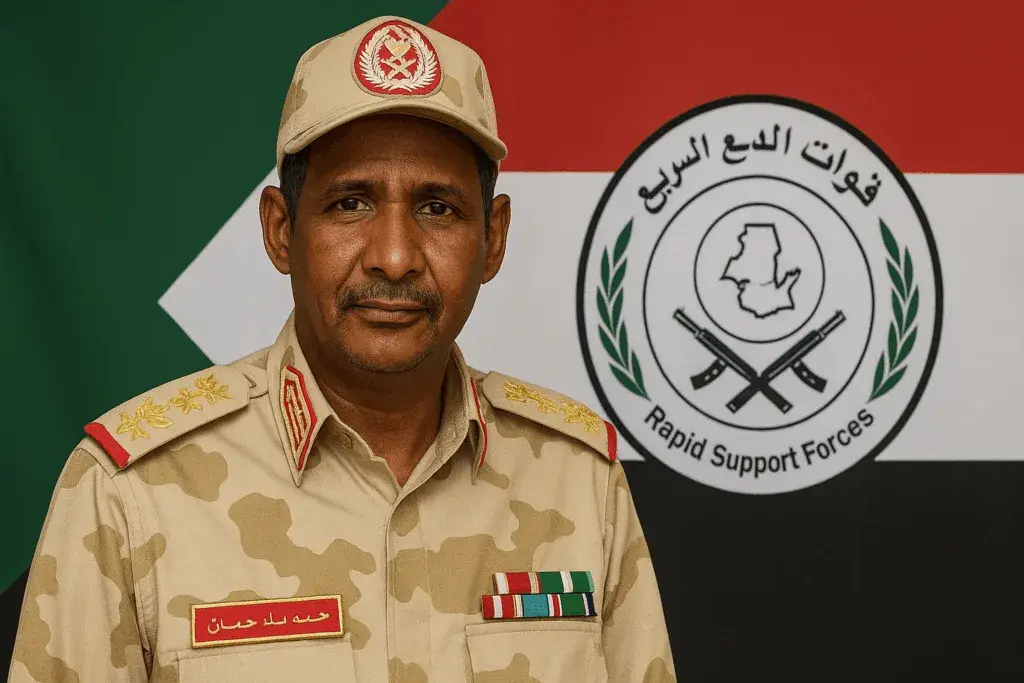
Mohamed Hamdan Dagalo, widely known as “Hemedti,” is the commander of Sudan’s Rapid Support Forces (RSF) and one of the country’s most powerful figures. Born around 1975 in Darfur to a family from the Rizeigat Arab tribe, Hemedti began his career as a camel trader with little formal education. His rise began during the Darfur conflict in the early 2000s, when he joined the Janjaweed militias, notorious for their brutal campaigns against rebel groups and civilians.
Recognized for his battlefield leadership and loyalty to then-president Omar al-Bashir, Hemedti quickly ascended within Sudan’s militia hierarchy. In 2013, Bashir formally reorganized the Janjaweed into a new paramilitary organization — the Rapid Support Forces — and appointed Hemedti as its leader. Under his command, the RSF grew into a powerful national force, deployed in domestic operations, border control, and even foreign missions in Yemen alongside Saudi-led coalitions.
Hemedti expanded his influence through control of gold mining interests and political maneuvering, positioning himself as both a military and economic powerbroker. By 2019, following Bashir’s fall, Hemedti emerged as a central figure in Sudan’s transitional government — later becoming one of the two main rivals in the Sudanese Civil War.
Humanitarian Impact and Regional Ramifications (as of October 2025)
The civil war in Sudan has caused one of the world’s worst humanitarian crises:
| Category | Impact |
|---|---|
| Displaced within Sudan | 8.1 million people |
| Refugees abroad | 3 million+ |
| Food insecurity | 26 million facing crisis levels |
| Famine zones | Western Darfur, parts of Khartoum and Kordofan |
| Hospitals closed or destroyed | ~70 % in active conflict areas |
| Civilian deaths (estimated) | 15,000–20,000 |
| Children out of school | 10 million+ |
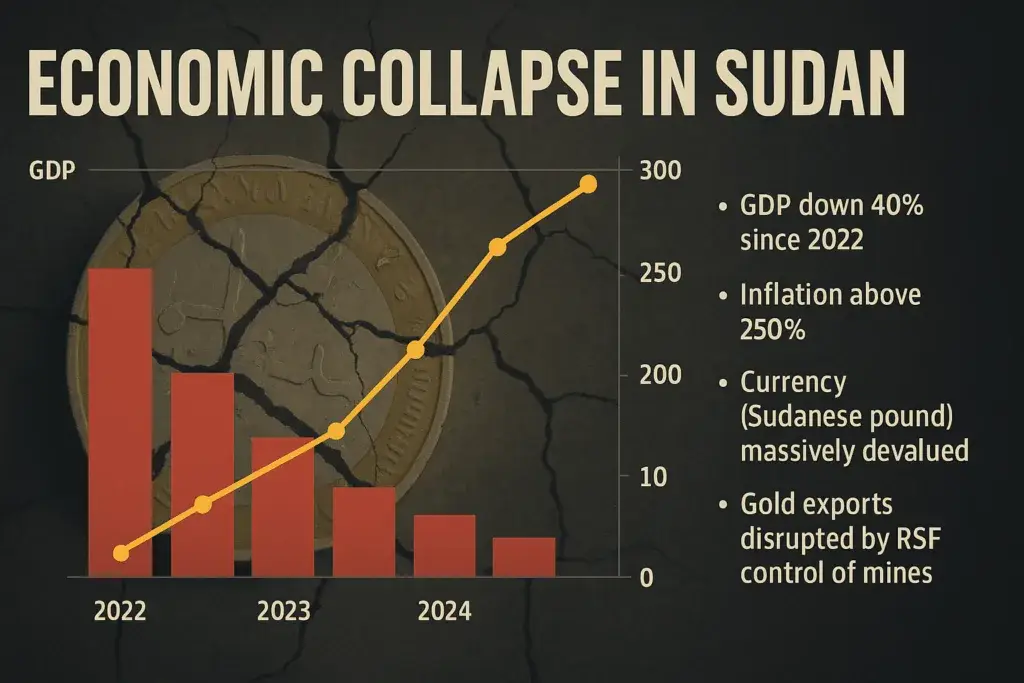
| Economic contraction | GDP down over 40 % since 2023 |
| UN appeal funding gap | Over $2 billion short of target |
International Response
The international response to the civil war in Sudan has been extensive but fragmented:
- United Nations (UN) and African Union (AU) have condemned both sides and called for ceasefires, yet truces have repeatedly collapsed.
- Regional mediations by Saudi Arabia and the United States (Jeddah talks) achieved limited success.
- Humanitarian agencies like UNHCR, WHO, and WFP struggle to deliver aid amid security breakdowns and blocked corridors.
- Western nations imposed sanctions on key SAF and RSF leaders for alleged war crimes.
- Neighbouring countries like Chad and South Sudan bear the burden of refugee inflows and rising instability.
Despite global outrage, the war persists with little progress toward peace, showing how diplomatic fatigue and geopolitical rivalries hinder resolution.
Is There a Government Now?
Sudan currently lacks a unified functioning government. The Sudanese Armed Forces control parts of the east and north (including Port Sudan, the temporary administrative capital), while the Rapid Support Forces hold large areas in Khartoum, Darfur, and parts of the west.
Civilian politicians, many from the pre-war transitional government, are either in exile or sidelined. Several parallel administrations claim authority, but none hold national legitimacy.
In essence, Sudan is now a divided state with competing military authorities, collapsing institutions, and a humanitarian system sustained mainly by international NGOs.
Paths to Peace and What Lies Ahead
To end the civil war in Sudan, the following are critical:
- Inclusive peace negotiations involving civilian leaders, SAF, RSF, and regional representatives.
- Immediate humanitarian access and ceasefire enforcement.
- Justice and accountability for war crimes, especially in Darfur.
- Long-term reconstruction and political reform to restore governance.
Without these actions, the civil war in Sudan could fragment the nation beyond repair.
The Civil War in Sudan and Its Urgent Imperative
In summary, the civil war in Sudan is both a humanitarian tragedy and a geopolitical failure. Millions of lives hang in the balance as famine deepens, disease spreads, and the country fractures. Sudan’s road to peace depends on inclusive governance, sustained international mediation, and humanitarian relief at scale. The world cannot afford to look away — the future of an entire nation depends on ending this war.
See our other article – Humanitarian Crises Displacement Surges: Gaza, Afghanistan, Myanmar in Turmoil
Questions & Answers
Q1: When did the civil war in Sudan start?
The civil war in Sudan began on 15 April 2023 after fighting erupted between the SAF and RSF.
Q2: How many people have been displaced?
Over 8 million internally and 3 million as refugees in neighbouring countries.
Q3: Who controls Sudan now?
There is no single government. SAF controls the east and north, RSF dominates the west and parts of Khartoum.
Q4: What can end the war?
An inclusive peace process, humanitarian access, and international pressure for accountability are key.
| Source | Link |
|---|---|
| Global Conflict Tracker – Civil War in Sudan | https://www.cfr.org/global-conflict-tracker/conflict/power-struggle-sudan |
| Sudan Crisis Explained – UNHCR | https://www.unrefugees.org/news/sudan-crisis-explained/ |
| The Guardian – Sudan’s Civil War | https://www.theguardian.com/global-development/2024/mar/22/what-caused-the-civil-war-in-sudan |
| Britannica – Sudan under Bashir | https://www.britannica.com/place/Sudan/Sudan-under-Bashir |
| Amnesty International – Sudan Conflict | https://www.amnesty.org/en/projects/sudan-conflict/ |