
The Science Behind Social Media Addiction
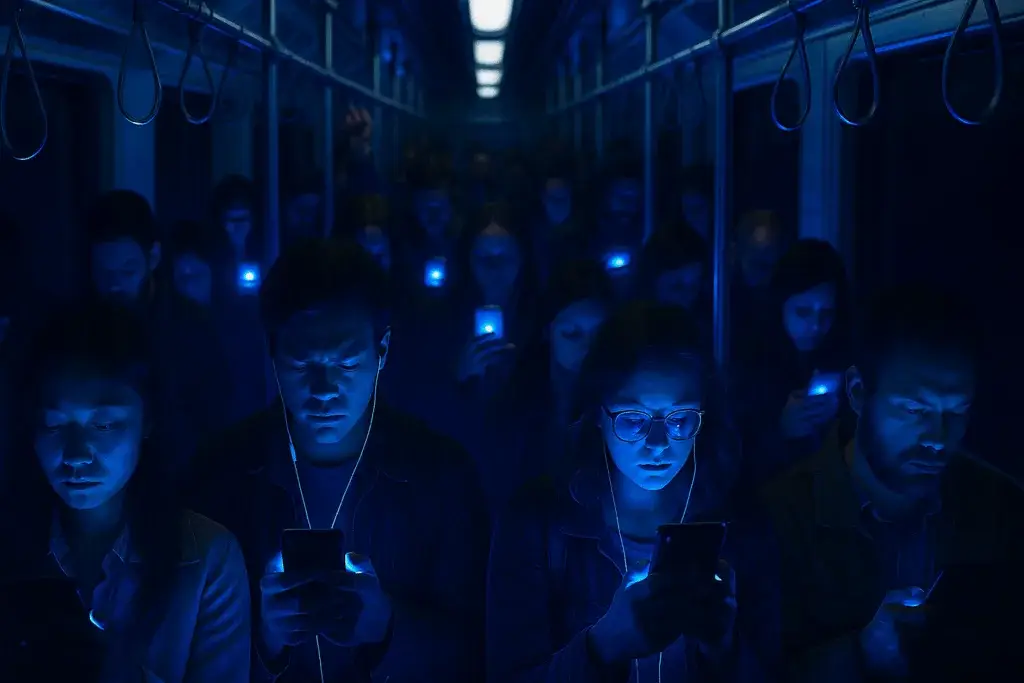
Why is social media so addictive? Platforms like Instagram, TikTok, and X (formerly Twitter) have become daily habits for billions. Many people check their phones multiple times an hour without even thinking. This compulsive use is not by accident—it’s by design. Psychologists and tech developers reveal that social media addiction is driven by brain chemistry, attention-grabbing algorithms, and endless content feeds. Understanding how these systems work is the first step to breaking free.
How Dopamine Fuels Addictive Social Media Use
The main reason social media is so addictive is dopamine, a brain chemical linked to reward and pleasure.


- Each like, comment, or notification acts as a tiny reward.
- Our brains crave the next “hit,” keeping us scrolling for hours.
- This is similar to how gambling machines keep players hooked with unpredictable rewards.
This dopamine effect explains why people find it hard to log off, even when they know it’s affecting their productivity or sleep.
The Role of Infinite Scroll and Algorithms
Platforms use design features to maximize engagement:
- Infinite Scroll – No natural stopping point, so users keep going.
- Personalised Algorithms – Content tailored to your interests, ensuring you always see something engaging.
- Push Notifications – Alerts create urgency and fear of missing out (FOMO).
These features make addictive social media use less about choice and more about engineered habit.
Impact of Social Media Addiction on Mental Health
While moderate use can connect and entertain, excessive use leads to:
- Anxiety & Depression – Constant comparison with others’ “perfect lives.”
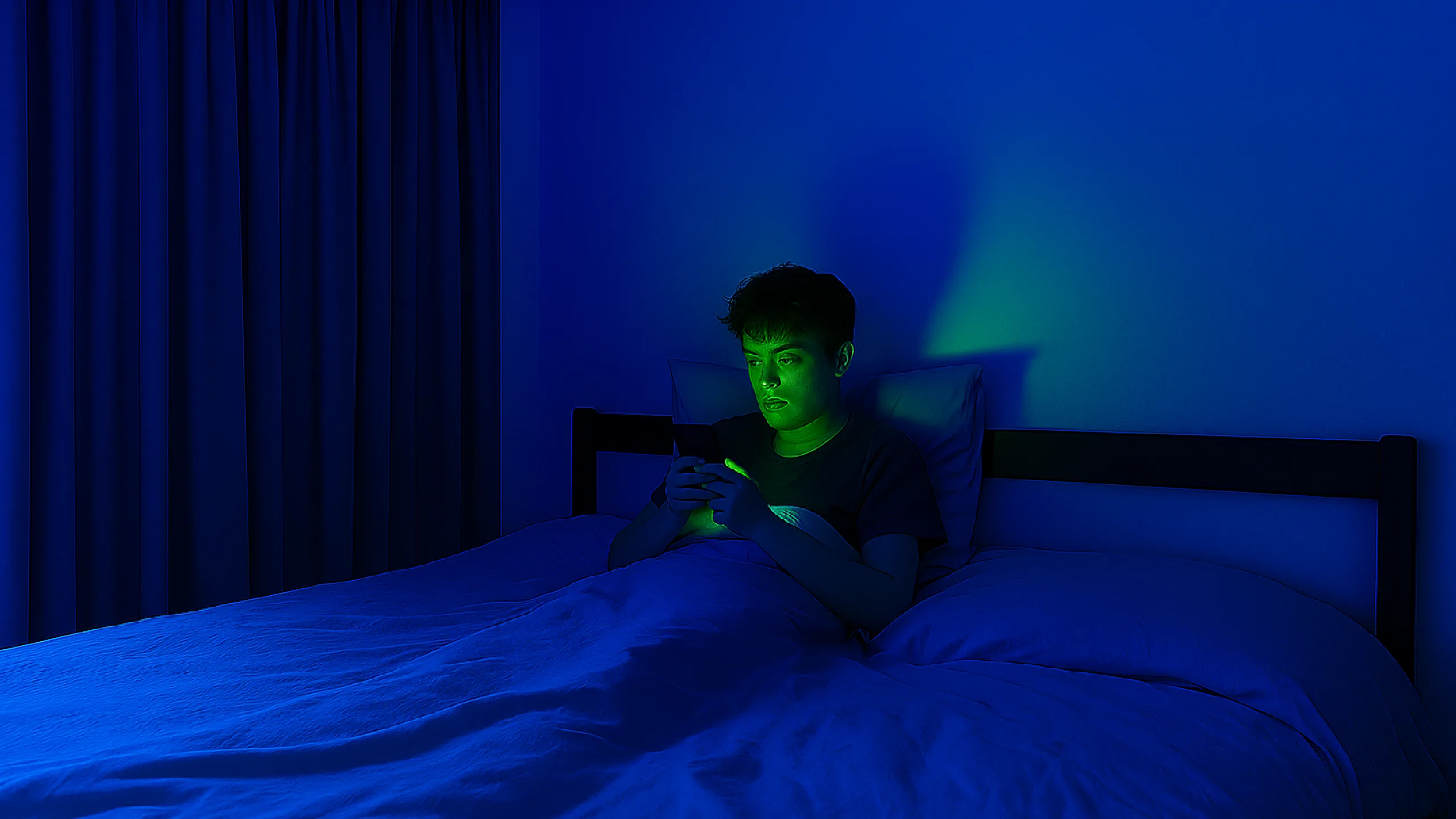
- Sleep Problems – Blue light and late-night scrolling disrupt rest.
- Attention Deficits – Reduced ability to focus on tasks offline.
- Lower Self-Esteem – Seeking validation through likes and shares.
The link between screen time and declining mental health is widely documented, particularly among young people. For instance, APA has issued advisories on adolescent social media use and the potential negative effects on sleep and emotional health.
Is Social Media Bad for You?
The answer isn’t simple. Social media itself is not inherently harmful — it can provide community, connection, and access to information. The problem arises when use becomes excessive or compulsive. If platforms dominate daily life, affect sleep, or replace in-person relationships, the risks start to outweigh the benefits. Like most tools, social media can be either helpful or harmful, depending on how it is used and how much control users maintain over their habits.
How to Regain Control of Screen Time
Breaking free from social media addiction doesn’t mean quitting entirely — it means building healthier habits. Try these strategies:
- Set App Limits – Use built-in phone features to restrict daily usage.
- Digital Detox Hours – Create phone-free zones, such as during meals or before bed.
- Turn Off Notifications – Stop the constant dopamine triggers.
- Mindful Use – Ask yourself why you’re opening the app — habit or purpose?
- Replace the Habit – Swap scrolling with reading, exercising, or face-to-face conversations.
These steps can help turn addictive social media use into a more balanced relationship.
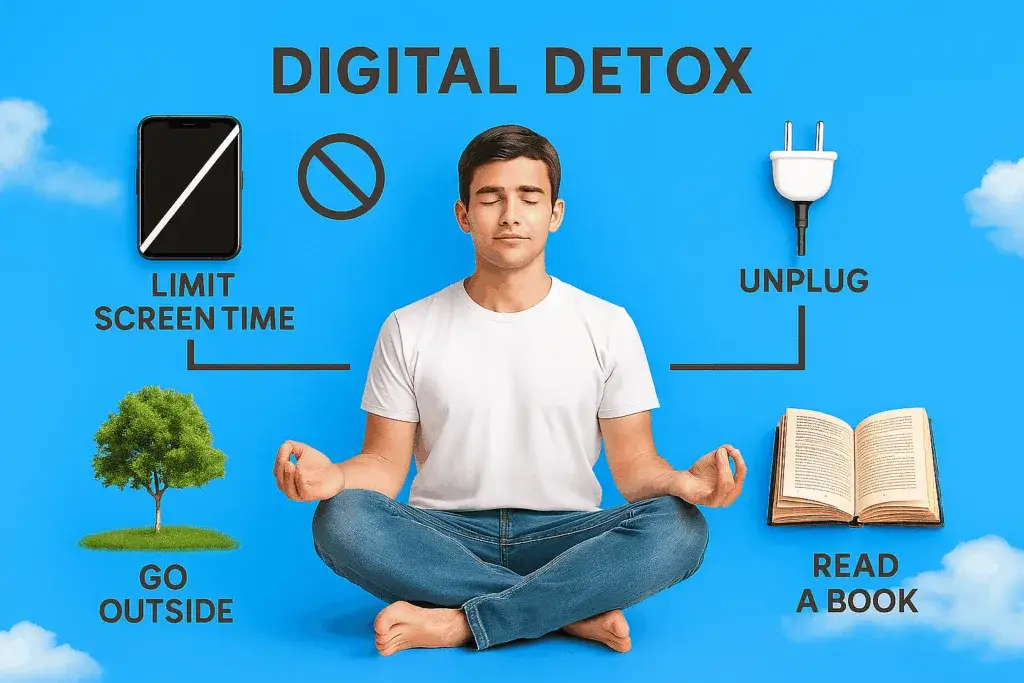
Understanding Addiction is the First Step to Balance
Social media addiction isn’t about weakness — it’s about how platforms are designed. By understanding the dopamine effect, the lure of algorithms, and the mental health risks, users can take back control of their screen time. The solution lies in mindful use, digital boundaries, and remembering that social media should serve us, not control us.
See our article – Nepal’s Social Media Ban Backfires — Gen Z Launches Historic Uprising
Questions & Answers
Q1: What makes social media so addictive?
The combination of dopamine rewards, infinite scrolling, and personalised algorithms makes social media highly addictive.
Q2: Is social media addiction harmful?
Yes, excessive use is linked to anxiety, poor sleep, reduced focus, and lower self-esteem.
Q3: How can I reduce social media addiction?
Set app limits, disable notifications, schedule offline time, and replace scrolling with healthier activities.
Q4: Is social media addiction the same as gambling?
They share similar psychological mechanisms, such as unpredictable rewards, which keep users hooked.
| Source | Link |
|---|---|
| APA – Health advisory on social media use | https://www.apa.org/topics/social-media-internet (American Psychological Association) |
| APA – Social Media & Internet topic page | https://www.apa.org/topics/social-media-internet (American Psychological Association) |
| APA – Research on teen social media and mental health | https://www.apa.org/news/podcasts/speaking-of-psychology/teen-social-media-use (American Psychological Association) |
| APA – Benefits of limiting social media | https://www.apa.org/monitor/2023/11/benefits-limiting-social-media (American Psychological Association) |
| Pew Research Center – Social Media Fact Sheet | https://www.pewresearch.org/internet/fact-sheet/social-media/ (Pew Research Center) |
| Pew Research Center – Social Media & News fact sheet (2024) | https://internet.psych.wisc.edu/wp-content/uploads/532-Master/532-UnitPages/Unit-05/Pew_SocialMedia_2024.pdf (Psychological Effects of the Internet) |
| ArXiv – Engagement metrics & misinformation study | https://arxiv.org/abs/2005.04682 (arXiv) |